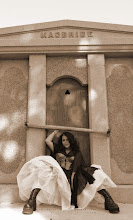
I'm not really in the mood to write today, but I haven't been "in the mood" for a very long time. Such is the story of my modern life in o too many ways. I'm washed up and feeling quite old and worthless. Being a mother is for the young, but society encouraged us to change our views on such nonesense and we became older mom: superbeing. Bull shit.
Where does wife, friend, sister, daughter fit in or self for that matter. One group of people says that you should work to teach our daughters to be strong women; another group says bring back the stay at home mom for our children's welfare and security; and yet another says daycares are best; and then still, stay at home dad's are just as good. I don't knock anyones opinion, but I do knock people stepping in on my decisions for my family.
Don't question my authority, decision or ideas. Do not go against my wishes and don't believe that your views are superior in any way. My family is my family and I make decisions for its welfare and safety and comfort. These decisions take careful consideration of working hours, finance levels, child care and discipline, home care and maintenance, travel options, available time and nourishment and most of all my ability to function to make it all happen. I don't expect anyone to agree with me wholely, but respect that I am a smart, educated, common-sense filled female and don't tread on me or the family I have created.
Showing posts with label family. Show all posts
Showing posts with label family. Show all posts
07 July 2011


25 March 2011
Time Tricks
Deep breath. Mind sorting. Another deep breath. Sigh.
Time. What a strange concept. I would say that time didn't really exist if it wasn't for the sun and moon playing peekaboo each day to night. And with the seasons warming and cooling with the leaves green to red to dead and back again. But really...what is time?
I celebrated my daughters 2nd birthday this past weekend. I was able to manage a day-long extravaganza for her with young playmates to adult smiles, lots of food and Blues Clues cake and presents that made it feel like Christmas again. I always wish that more friends and family would fit into my home and that celebrations never ended. I needed those laughs and conversations more than I knew. I understand now that my social butterfly sat beneath the bell jar for too long, and for one day that freedom simply cleared my cobwebs. Anya is older now and needs less suffocating attention. I was able to sit back and converse and have a relaxing drink and enjoy my friends and family. I was smarter this time and had food brought in and had the kids play at Gymboree so that my stress level could remain at handle-able versus overdrive.
I looked at my little baby and realized for the first time she was different to me. New in her features, the way she held herself, the tone of her voice, the exotic facial expressions, the language she was beginning to control; she was a little girl, like magic, turning two. She holds my cheeks in her hands and says, “o mommy.” She squeals with excitement and babbles a story that is half English half gremlin like she was conversing with Loreli Gilmore, then runs off into a million directions. I’m fascinated how 2 years have passed and I am lost finding those minutes, hours, and days that got me here. I am in awe of this being that came from love and grows and thrives and amazes me every moment of every day. I can’t allow myself to consider how fast forward my life will continue to morph or that I can’t protect her all the time and the anxiety as I must let her experience life. One day she parasitically melded with my body, the next she emerged as a separate entity. She will continue to grow and change and develop and make friends and enemies and make memories.
I went to a fundraiser for a dear friend, a sister of hearts, my youth’s twin. The memories came flooding back as we pull into the DQ parking lot. The line already wrapped around the door and passed the other stores. I feel my heart skip a beat and my lungs compress and my muscles tense. For a moment I allow myself to be a teenager, walking from my house around the block on Moonflower, arm in arm with my partners in fun, in the warm summer evening, hearing the gathering grow in the light breeze before twilight. We would arrive in the mini strip with enough cash for a slice of pizza from Mark’s, a medium coke, and a blizzard from DQ, carrying only a pack of smokes and gum. Inevitably the crowd of crazy teens would frighten the store owners or family-type folks that saw the potential for a mob and teens up to no good and the cops would breeze through chasing us out with little success. We would scatter, hide out in the Village Mall across the street or walk the neighborhood for a few minutes only to return and dance with the cops again. Occassionally, they would ticket the brazen of the boys for saying “fuck” or “shit” or generally cursing, a fineable offence in the 80s - at least that’s what they told us..
An eternity of summers passed in that parking lot. Some nights we were stormed on and others we melted into the pavement. But always there. Together. Being kids who wanted to be grownups who didn’t know the rules or even cared to consider them. How could we be any different? Time doesn’t exist when you’re 16…you never get old and nothing bad ever happens and all we need is each other. We gossiped and lost virginity and cried and had fights. We kissed, smoked pot and snuck beer and thought that we ruled the world. It was ours after all.
Tonight I saw familiar faces, but recognized the years, more than 20, that separated most of us. We introduced spouses and children and suddenly two decades vanished, but reflected a different universe. We crowded the parking lot and filled the air with chatter. Old man winter blasted the evening air with a spring cold snap near freezing, making the ice cream event seem odd, yet you felt the determination that we wouldn’t consider being chilled out of our purpose. My eyes shifted back and forth scanning the crowd for my partners, my friends, my strength, fearing that I couldn’t accept what time was doing to pieces of my heart.
Once we settled in the back of the line, three stores down the strip, I looked up and in an instant saw her. She looked strong and radiant and beautiful as ever. Each hope she saw in the gathering made her seem taller and more grounded, yet overwhelmed. I couldn’t wait in the back for the feet to shuffle close enough to touch her fortitude. I left Rich and Anya to hold our place and held my breath in fear that she was leaving not greeting, I had to grip my panic and urgency. I couldn’t let another minute pass without holding her close and trying to take away all the suffering and pain she experienced. My bff stood there teary-eyed holding the gatherers tight for herself, and even more so for them.
I saw her brother leaning against the DQ window. He shadowed her and stood like he always did: strong and protective and imposing. He was the best big brother a girl could want. And seeing him there, knowing that he couldn’t protect his little sis from her disease, made our hug hello bittersweet. I didn’t know what to say, and felt apologetic for life putting years between our inseparable memories, but we are grown up now, and we know that love doesn’t tell time. I missed this other family of mine and I hate seeing them again under such stressful circumstances. I hated that even though we all stood there, crowding the parking lot of our childhood haunt, the warp of time had screwed it all up: it was cold and orderly and sedate.
Finally I wrapped my arms around her back and worked the smile of warmth that came over me. We hugged and cried and held each other up. I didn’t want to let her go. I could have stood there an eternity cleansing the demons from her. Her sorrow broke my heart and I wanted everyone and everything and all this suffering to disappear. I wanted to be back at the shore on Memorial Day weekend in our bikinis and a case of beer and the boardwalk after hours on the beach. I wanted to pick her up for a cruise through town on a Friday night and a party. I wanted to skip across the carnival with her, laughing and believing that nothing could tarnish our happiness. I wanted to beat and maim all that caused her hurt. I wanted her to know that I loved her so much and that I know that we have plenty more memories to make together and that life works in strange ways and to never let go her strength and hope and love.
Slowly the hum and buzz of the crowded lot broke through. People were hungrily waiting to donate their strength and health and I wanted her to take as much as her body needed to fight. I got back in line with my husband and daughter and let myself breathe in and out slowly. I couldn’t make sense of the upside down vortex that we were sharing in this place of happy memories. I knew not to try.
After our ice cream treat and Anya anxiously wanting to be free of the crowded inside of DQ we went back outside to see more phantoms of my memories continue to arrive. I looked over and saw my surrogate mom beam at the crowds gathered for her daughter. Now, a mother myself, I felt something new for this woman whom had been an integral matriarchal figure in my youth. I felt her hurt and her need to protect and confusion over her baby girl growing up and being consumed by a disease that we still understand so little about. I want her to know that I love her so much and want to help her in any way that I can that she will allow me. I don’t want her to burn up from the stress and pain. I know what she feels as the caregiver.
I circled the lot a few times confused and lost. My husband gently reminded me that it was time to go, and that he and Anya would be waiting in the car. I am grateful for his nudge and direction; otherwise, I may have taken up the block and walked into a stranger’s house that I once called home. I waited for her to catch her breath in between supporters and took my chance to hold her tight again. This time I wanted her to know that on good days and bad days and all of them in between I was here for her. We are sister and we stick together. We cried some more and hugged even tighter, but we knew that I had to go or we would never leave that moment. I had to share her with all of the other loves there for her tonight, and this whole week. I wanted her to be healed by the love that we all brought her. I kissed her hand as we reluctantly let go, waved a quick goodbye to her family, and ran for the car and to breathe again.
I can easily look back on last night and know that my mind was unable to close on time’s tricks. There I was in a place with people that bring back summer breezes and laughter to my heart, but none of us could hide from the sober reason we all amassed. The location was fitting and familiar. We could use the ghosts of our youth to strengthen and reclaim her health. She will fight and we will fight with her. We won’t let time dictate how we perceive or use or experience life. It’s ours after all.
Time. What a strange concept. I would say that time didn't really exist if it wasn't for the sun and moon playing peekaboo each day to night. And with the seasons warming and cooling with the leaves green to red to dead and back again. But really...what is time?
I celebrated my daughters 2nd birthday this past weekend. I was able to manage a day-long extravaganza for her with young playmates to adult smiles, lots of food and Blues Clues cake and presents that made it feel like Christmas again. I always wish that more friends and family would fit into my home and that celebrations never ended. I needed those laughs and conversations more than I knew. I understand now that my social butterfly sat beneath the bell jar for too long, and for one day that freedom simply cleared my cobwebs. Anya is older now and needs less suffocating attention. I was able to sit back and converse and have a relaxing drink and enjoy my friends and family. I was smarter this time and had food brought in and had the kids play at Gymboree so that my stress level could remain at handle-able versus overdrive.
I looked at my little baby and realized for the first time she was different to me. New in her features, the way she held herself, the tone of her voice, the exotic facial expressions, the language she was beginning to control; she was a little girl, like magic, turning two. She holds my cheeks in her hands and says, “o mommy.” She squeals with excitement and babbles a story that is half English half gremlin like she was conversing with Loreli Gilmore, then runs off into a million directions. I’m fascinated how 2 years have passed and I am lost finding those minutes, hours, and days that got me here. I am in awe of this being that came from love and grows and thrives and amazes me every moment of every day. I can’t allow myself to consider how fast forward my life will continue to morph or that I can’t protect her all the time and the anxiety as I must let her experience life. One day she parasitically melded with my body, the next she emerged as a separate entity. She will continue to grow and change and develop and make friends and enemies and make memories.
I went to a fundraiser for a dear friend, a sister of hearts, my youth’s twin. The memories came flooding back as we pull into the DQ parking lot. The line already wrapped around the door and passed the other stores. I feel my heart skip a beat and my lungs compress and my muscles tense. For a moment I allow myself to be a teenager, walking from my house around the block on Moonflower, arm in arm with my partners in fun, in the warm summer evening, hearing the gathering grow in the light breeze before twilight. We would arrive in the mini strip with enough cash for a slice of pizza from Mark’s, a medium coke, and a blizzard from DQ, carrying only a pack of smokes and gum. Inevitably the crowd of crazy teens would frighten the store owners or family-type folks that saw the potential for a mob and teens up to no good and the cops would breeze through chasing us out with little success. We would scatter, hide out in the Village Mall across the street or walk the neighborhood for a few minutes only to return and dance with the cops again. Occassionally, they would ticket the brazen of the boys for saying “fuck” or “shit” or generally cursing, a fineable offence in the 80s - at least that’s what they told us..
An eternity of summers passed in that parking lot. Some nights we were stormed on and others we melted into the pavement. But always there. Together. Being kids who wanted to be grownups who didn’t know the rules or even cared to consider them. How could we be any different? Time doesn’t exist when you’re 16…you never get old and nothing bad ever happens and all we need is each other. We gossiped and lost virginity and cried and had fights. We kissed, smoked pot and snuck beer and thought that we ruled the world. It was ours after all.
Tonight I saw familiar faces, but recognized the years, more than 20, that separated most of us. We introduced spouses and children and suddenly two decades vanished, but reflected a different universe. We crowded the parking lot and filled the air with chatter. Old man winter blasted the evening air with a spring cold snap near freezing, making the ice cream event seem odd, yet you felt the determination that we wouldn’t consider being chilled out of our purpose. My eyes shifted back and forth scanning the crowd for my partners, my friends, my strength, fearing that I couldn’t accept what time was doing to pieces of my heart.
Once we settled in the back of the line, three stores down the strip, I looked up and in an instant saw her. She looked strong and radiant and beautiful as ever. Each hope she saw in the gathering made her seem taller and more grounded, yet overwhelmed. I couldn’t wait in the back for the feet to shuffle close enough to touch her fortitude. I left Rich and Anya to hold our place and held my breath in fear that she was leaving not greeting, I had to grip my panic and urgency. I couldn’t let another minute pass without holding her close and trying to take away all the suffering and pain she experienced. My bff stood there teary-eyed holding the gatherers tight for herself, and even more so for them.
I saw her brother leaning against the DQ window. He shadowed her and stood like he always did: strong and protective and imposing. He was the best big brother a girl could want. And seeing him there, knowing that he couldn’t protect his little sis from her disease, made our hug hello bittersweet. I didn’t know what to say, and felt apologetic for life putting years between our inseparable memories, but we are grown up now, and we know that love doesn’t tell time. I missed this other family of mine and I hate seeing them again under such stressful circumstances. I hated that even though we all stood there, crowding the parking lot of our childhood haunt, the warp of time had screwed it all up: it was cold and orderly and sedate.
Finally I wrapped my arms around her back and worked the smile of warmth that came over me. We hugged and cried and held each other up. I didn’t want to let her go. I could have stood there an eternity cleansing the demons from her. Her sorrow broke my heart and I wanted everyone and everything and all this suffering to disappear. I wanted to be back at the shore on Memorial Day weekend in our bikinis and a case of beer and the boardwalk after hours on the beach. I wanted to pick her up for a cruise through town on a Friday night and a party. I wanted to skip across the carnival with her, laughing and believing that nothing could tarnish our happiness. I wanted to beat and maim all that caused her hurt. I wanted her to know that I loved her so much and that I know that we have plenty more memories to make together and that life works in strange ways and to never let go her strength and hope and love.
Slowly the hum and buzz of the crowded lot broke through. People were hungrily waiting to donate their strength and health and I wanted her to take as much as her body needed to fight. I got back in line with my husband and daughter and let myself breathe in and out slowly. I couldn’t make sense of the upside down vortex that we were sharing in this place of happy memories. I knew not to try.
After our ice cream treat and Anya anxiously wanting to be free of the crowded inside of DQ we went back outside to see more phantoms of my memories continue to arrive. I looked over and saw my surrogate mom beam at the crowds gathered for her daughter. Now, a mother myself, I felt something new for this woman whom had been an integral matriarchal figure in my youth. I felt her hurt and her need to protect and confusion over her baby girl growing up and being consumed by a disease that we still understand so little about. I want her to know that I love her so much and want to help her in any way that I can that she will allow me. I don’t want her to burn up from the stress and pain. I know what she feels as the caregiver.
I circled the lot a few times confused and lost. My husband gently reminded me that it was time to go, and that he and Anya would be waiting in the car. I am grateful for his nudge and direction; otherwise, I may have taken up the block and walked into a stranger’s house that I once called home. I waited for her to catch her breath in between supporters and took my chance to hold her tight again. This time I wanted her to know that on good days and bad days and all of them in between I was here for her. We are sister and we stick together. We cried some more and hugged even tighter, but we knew that I had to go or we would never leave that moment. I had to share her with all of the other loves there for her tonight, and this whole week. I wanted her to be healed by the love that we all brought her. I kissed her hand as we reluctantly let go, waved a quick goodbye to her family, and ran for the car and to breathe again.
I can easily look back on last night and know that my mind was unable to close on time’s tricks. There I was in a place with people that bring back summer breezes and laughter to my heart, but none of us could hide from the sober reason we all amassed. The location was fitting and familiar. We could use the ghosts of our youth to strengthen and reclaim her health. She will fight and we will fight with her. We won’t let time dictate how we perceive or use or experience life. It’s ours after all.
01 March 2011
Αἰωνία ἡ μνήμη (Eternal Memory) Chapter 8
Catch me as I fall
Say you're here and it's all over now
Speaking to the atmosphere
No one's here and I fall into myself
This truth drives me
Into madness
I know I can stop the pain
If I will it all away
- Evanescence

I have a mahogany jewelry box with a pewter fairy, resting atop, protecting its contents. This box hold three items: my father’s gold cross that only left his neck upon his death, engraved with his initials, a blue, beaded necklace from my mother, and an old, white, cotton handkerchief. The handkerchief is my maternal papou’s. It was given to me by my grandmother the day I arrived in Greece too late.
“Yiayia, hold tight. I’m on my way. See you in two days. I love you.”
Passport…tickets…suitcase…strength...Ok. Into the car and off to the airport I go.
Just over a month before, my maternal grandfather - who lives in Greece - went to the doctor in Athens because he had been losing weight, had problems swallowing, and wasn’t feeling quite right. Mind you my grandparents still climbed their own olive trees for picking and making fresh olive oil – I am lucky enough to get a few gallons each year, savoring the flavor brought out through their labors. My papou hated doctors, refusing to go to one of “those butchers” ever. But this time was different. They found that he had esophageal cancer, so advanced it necessitated surgery. The surgery left his immune system weaker than the cancer itself, and over the next six weeks he declined at an exponential rate.
My Aunt Elaine was already with my yiayia, taking turns with her at my papou’s bedside. I was speaking with them daily, sometimes two or three times a day, wanting to understand. I wanted to know each and every thing that was going on, and how I would be able to help.
“Come, Renee, come if you can. And come quickly,” was the only response I received from my aunt. I arranged my tickets, and asked my bosses if they could help me with my time off. Everything was set, including planning my reluctant mother’s trip 10 days from then. My aunt called just as I picked up my suitcase and headed for the door.
“Renee, we’re going back to the island.” She began. “We’re leaving tomorrow. See if you can catch the flight with us, if you get to Athens on time. They said papou could travel, and he wants to be home.”
I stopped in Heathrow first, and scurrying through the endless terminals to find my connecting flight. Why does Heathrow seem like such a nightmare? I have time for just one smoke, but I have to find one of those new smoking areas. Geesh. Ridiculous.
The second leg brought me safely to Athens. As I got my bags I heard the boarding call for the flight to Ikaria. I can make it. I know I can. I ran up to the counter and explained that my papou was on the flight being transferred to the hospital in Ikaria.
“Se parekalo, o papouV mou eina mesa stin aeroplano, eine poli askimoV, parekalo, borw na pou?” I beg the attendant at the Olympic booth to get me on the flight. But no, they couldn’t or they wouldn’t, I don’t know if my broken Greek was getting me anywhere but laughed at. I tried a few more times, and they even claimed to have called down to the plane, but refused my boarding. Damn me for not continuing my Greek studies.
I went to the Sofitel in the airport and got a room. I picked up some biscuits and water in the lobby store, but I was too unsettled to wander far from my room. I flipped through channels and caught some English on a BBC channel. With each new program or news segment, I surfed the channels again, looking for familiarity and distraction while waiting to try my aunt’s cell to ask about the flight to Ikaria and my papou.
I fell asleep sometime during the Greek news, which I couldn’t understand anyways. I awoke from a pounding heart and nasty head pain. How long had I slept? What time was it? I dialed my aunt’s number.
“Thea, how was the trip? I tried to get on the flight, I really did. They wouldn’t let me, but you guys were still boarding. Is everything ok? How’s papou? Is yiayia doing all right?”
“I can’t believe they didn’t let you on the flight. We thought you would make it. Stupid idiots! The flight wasn’t too bad and it wasn’t full.”
“And papou?”
“He’s home. He’s home now. I told him you were coming. I told him and he smiled.”
“Is he ok?”
“We’ll see you tomorrow. I have to go. I love you, baby.”
And that was it. Nothing else.
Several hours of tossing and turning, fear and anxiety, finally passed, getting me to the terminal for the Ikaria-bound flight. I boarded the four thousand year old plane, held together by rubber bands and superglue, and settled into my six inch seat (the planes that go to the island are small, carrying maybe fifty people max). The island is close by plane (9 hours by boat), basically, if you blink, you’ve landed already. However, these planes don’t allow you that luxury – of blinking. You hold your breath ascending, praying that a rubber band doesn’t snap, and the paper outer layer doesn’t crumble from wind shear, and as soon as you are ready to let out that breath, you can see a few hundred yards long, dirt path at the end of the island in the distance. One more inhale and you’re descending, begging any gods out there that the plane doesn’t miss that dirt path up ahead because what you see is supposed to be the landing strip. Plop…stop. These pilots are amazing.
I exited the plane and entered the small building known as the airport. My aunt and yiayia were waiting for me. They hug me tightly and ask me about my flight. I looked at both of them, and instantly knew what they desperately tried to hide.
“Yiayia? Yiayia, no.”
“Yes, baby, oh yes. I’m sorry, Renee. He’s home now.”
Yiayia’s paleness was more pronounced by the stark black head-to-toe outfit she was wearing. For the first time I saw lines in her face and realized that her hair was no longer Lucy red; her eyes were shallow, pronouncing circles and bags. My yiayia always looked fresh and well kept - now I didn’t see my yiayia only the idea of the woman whom I loved so dearly. Yiayia and my aunt unfolded the sorrow while holding me tight to their chests.
They arrived in Ikaria, and the ambulance took my papou to the hospital. My yiayia checked him into his room, gave him a kiss with love, and left to get their car. When the doctor came into his room to check on all the wires and machines, he leaned in to my papou and said, “Eftases, Xhrsto (You’ve arrived / you’re home).”
Papou smiled, took two breaths, and left us…moments before I called.
I was too late. The storm gathered strength in my mind and heart. I never got to see him, to tell him I loved him. Along the winding S-paths and cliff edges, we drove to the village of Pangia, silently. I looked out the car window telepathically calling my grandfather:
Not so long ago in a place not much changed
pain brought the mountains to the sea.
The winds raged chaotic change
relentlessly, unfeeling
The bitter numbness could not raise the fallen rubble, not calm Neptune’s caps
The stretch of village was veiled by somber stirrings
flooding with rising waters
The mahogany phoenix sprayed lovingly in fragrant offerings of devoted love
A shell lost at sea
The tempest sprang from within engulfing, consuming souls.

My memories of Ikaria were of warm sunshine, busy promenades, and soothing air, my summers full of vitality amidst an island far removed from modern life. My current arrival in Ikaria contrasted these images of joy and freshness with harsh winds, bone chilling cold, and grey; winter obscured my pleasant thoughts of my home away from home. The dead of winter.
My papou would be buried the following day, my grandparent’s anniversary. I tried to help where I could; funerals in Greece were much different than here in the states. We went to the market to purchase the needed food and beverage for the mourning to be held after the burial, next door at Popi’s; through the barren platia we walked store to store, looking for the best prices, and receiving condolences from villagers out in the winter chill. They praised my yiayia for having a daughter and granddaughter by her side during the somber events.
We awoke the next morning to ominous clouds in the sky and winds whipping around the mountain. I looked out the window from my yiayia’s dining room to where the mountain met the sea, the dark water, broken by white caps, churned, baring the fury of winter. The atmosphere of the outside world reflected our inside emotions, raging pain. We went down to the hospital to follow the car, which would carry my papou to the church just beyond their home in Panagia. As we entered the church the pall bearers placed the mahogany box on its stand, and we, my yiayia, my aunt, and me, were shown to the few chairs beside the coffin. Despite my sobbing, I still managed to observe how beautiful the wood-carved images of the phoenix, symbolizing perpetual rebirth, looked decorating my papou’s eternal bed.
The service was brief, but my tears met the ocean waves below. Many villagers from near and far arrived to share my yiayia’s grief. I knew so few of my grandparent’s friends and family that spent their lives on this small island in the eastern Aegean Sea. Their sorrow was pronounced, and mourning was real, not merely a term applied to those who have lost. Not a smile dotted lips or eyes meeting others’ tears; a grand respect for the dead demanded complete discipline.
The ancient world of Antigone and Medea rose before me. The ideals of time past still reigned in these mountains; there were dos and donts, rituals, expectations, and demands on the family that to my American upbringing stunned me. Skin must not show; all garments must be black; eyes must drown in sorrow; wailing expected; no raised heads or pleasant greetings. Love for the deceased would be measured in self-effacement. The wife, children, and immediate family have no entitlement to strength; the death of a man reflects the greatest, most unbearable loss and suffering. My yiayia will be subject to these laws for all her days in the old country, never turning from the pain, never recovering from loss, never to be whole again. Archaic and barbaric.
Once the ceremony concluded, the pall bearers braced the coffin on their shoulders, and we followed, all on foot, down the road, up the hill, step by step, to the cemetery, a parade of mourners, shadow forms, trailing the mahogany phoenix. They placed the coffin in the freshly turned dirt, and opened the box. I was warned by my aunt, “Don’t look!” But how could I not. O, I wish I had not. I thought they made a mistake; the man in the box was not my papou. How could it be? The face was grey and sagging, no embalming fluid or mortician placed makeup, frail, bones. The image haunts me. Some dirt, a few drops of oil, and a single flower, tossed in by my yiayia, rests with my papou for eternity.
Say you're here and it's all over now
Speaking to the atmosphere
No one's here and I fall into myself
This truth drives me
Into madness
I know I can stop the pain
If I will it all away
- Evanescence

I have a mahogany jewelry box with a pewter fairy, resting atop, protecting its contents. This box hold three items: my father’s gold cross that only left his neck upon his death, engraved with his initials, a blue, beaded necklace from my mother, and an old, white, cotton handkerchief. The handkerchief is my maternal papou’s. It was given to me by my grandmother the day I arrived in Greece too late.
“Yiayia, hold tight. I’m on my way. See you in two days. I love you.”
Passport…tickets…suitcase…strength...Ok. Into the car and off to the airport I go.
Just over a month before, my maternal grandfather - who lives in Greece - went to the doctor in Athens because he had been losing weight, had problems swallowing, and wasn’t feeling quite right. Mind you my grandparents still climbed their own olive trees for picking and making fresh olive oil – I am lucky enough to get a few gallons each year, savoring the flavor brought out through their labors. My papou hated doctors, refusing to go to one of “those butchers” ever. But this time was different. They found that he had esophageal cancer, so advanced it necessitated surgery. The surgery left his immune system weaker than the cancer itself, and over the next six weeks he declined at an exponential rate.
My Aunt Elaine was already with my yiayia, taking turns with her at my papou’s bedside. I was speaking with them daily, sometimes two or three times a day, wanting to understand. I wanted to know each and every thing that was going on, and how I would be able to help.
“Come, Renee, come if you can. And come quickly,” was the only response I received from my aunt. I arranged my tickets, and asked my bosses if they could help me with my time off. Everything was set, including planning my reluctant mother’s trip 10 days from then. My aunt called just as I picked up my suitcase and headed for the door.
“Renee, we’re going back to the island.” She began. “We’re leaving tomorrow. See if you can catch the flight with us, if you get to Athens on time. They said papou could travel, and he wants to be home.”
I stopped in Heathrow first, and scurrying through the endless terminals to find my connecting flight. Why does Heathrow seem like such a nightmare? I have time for just one smoke, but I have to find one of those new smoking areas. Geesh. Ridiculous.
The second leg brought me safely to Athens. As I got my bags I heard the boarding call for the flight to Ikaria. I can make it. I know I can. I ran up to the counter and explained that my papou was on the flight being transferred to the hospital in Ikaria.
“Se parekalo, o papouV mou eina mesa stin aeroplano, eine poli askimoV, parekalo, borw na pou?” I beg the attendant at the Olympic booth to get me on the flight. But no, they couldn’t or they wouldn’t, I don’t know if my broken Greek was getting me anywhere but laughed at. I tried a few more times, and they even claimed to have called down to the plane, but refused my boarding. Damn me for not continuing my Greek studies.
I went to the Sofitel in the airport and got a room. I picked up some biscuits and water in the lobby store, but I was too unsettled to wander far from my room. I flipped through channels and caught some English on a BBC channel. With each new program or news segment, I surfed the channels again, looking for familiarity and distraction while waiting to try my aunt’s cell to ask about the flight to Ikaria and my papou.
I fell asleep sometime during the Greek news, which I couldn’t understand anyways. I awoke from a pounding heart and nasty head pain. How long had I slept? What time was it? I dialed my aunt’s number.
“Thea, how was the trip? I tried to get on the flight, I really did. They wouldn’t let me, but you guys were still boarding. Is everything ok? How’s papou? Is yiayia doing all right?”
“I can’t believe they didn’t let you on the flight. We thought you would make it. Stupid idiots! The flight wasn’t too bad and it wasn’t full.”
“And papou?”
“He’s home. He’s home now. I told him you were coming. I told him and he smiled.”
“Is he ok?”
“We’ll see you tomorrow. I have to go. I love you, baby.”
And that was it. Nothing else.
Several hours of tossing and turning, fear and anxiety, finally passed, getting me to the terminal for the Ikaria-bound flight. I boarded the four thousand year old plane, held together by rubber bands and superglue, and settled into my six inch seat (the planes that go to the island are small, carrying maybe fifty people max). The island is close by plane (9 hours by boat), basically, if you blink, you’ve landed already. However, these planes don’t allow you that luxury – of blinking. You hold your breath ascending, praying that a rubber band doesn’t snap, and the paper outer layer doesn’t crumble from wind shear, and as soon as you are ready to let out that breath, you can see a few hundred yards long, dirt path at the end of the island in the distance. One more inhale and you’re descending, begging any gods out there that the plane doesn’t miss that dirt path up ahead because what you see is supposed to be the landing strip. Plop…stop. These pilots are amazing.
I exited the plane and entered the small building known as the airport. My aunt and yiayia were waiting for me. They hug me tightly and ask me about my flight. I looked at both of them, and instantly knew what they desperately tried to hide.
“Yiayia? Yiayia, no.”
“Yes, baby, oh yes. I’m sorry, Renee. He’s home now.”
Yiayia’s paleness was more pronounced by the stark black head-to-toe outfit she was wearing. For the first time I saw lines in her face and realized that her hair was no longer Lucy red; her eyes were shallow, pronouncing circles and bags. My yiayia always looked fresh and well kept - now I didn’t see my yiayia only the idea of the woman whom I loved so dearly. Yiayia and my aunt unfolded the sorrow while holding me tight to their chests.
They arrived in Ikaria, and the ambulance took my papou to the hospital. My yiayia checked him into his room, gave him a kiss with love, and left to get their car. When the doctor came into his room to check on all the wires and machines, he leaned in to my papou and said, “Eftases, Xhrsto (You’ve arrived / you’re home).”
Papou smiled, took two breaths, and left us…moments before I called.
I was too late. The storm gathered strength in my mind and heart. I never got to see him, to tell him I loved him. Along the winding S-paths and cliff edges, we drove to the village of Pangia, silently. I looked out the car window telepathically calling my grandfather:
Not so long ago in a place not much changed
pain brought the mountains to the sea.
The winds raged chaotic change
relentlessly, unfeeling
The bitter numbness could not raise the fallen rubble, not calm Neptune’s caps
The stretch of village was veiled by somber stirrings
flooding with rising waters
The mahogany phoenix sprayed lovingly in fragrant offerings of devoted love
A shell lost at sea
The tempest sprang from within engulfing, consuming souls.

My memories of Ikaria were of warm sunshine, busy promenades, and soothing air, my summers full of vitality amidst an island far removed from modern life. My current arrival in Ikaria contrasted these images of joy and freshness with harsh winds, bone chilling cold, and grey; winter obscured my pleasant thoughts of my home away from home. The dead of winter.
My papou would be buried the following day, my grandparent’s anniversary. I tried to help where I could; funerals in Greece were much different than here in the states. We went to the market to purchase the needed food and beverage for the mourning to be held after the burial, next door at Popi’s; through the barren platia we walked store to store, looking for the best prices, and receiving condolences from villagers out in the winter chill. They praised my yiayia for having a daughter and granddaughter by her side during the somber events.
We awoke the next morning to ominous clouds in the sky and winds whipping around the mountain. I looked out the window from my yiayia’s dining room to where the mountain met the sea, the dark water, broken by white caps, churned, baring the fury of winter. The atmosphere of the outside world reflected our inside emotions, raging pain. We went down to the hospital to follow the car, which would carry my papou to the church just beyond their home in Panagia. As we entered the church the pall bearers placed the mahogany box on its stand, and we, my yiayia, my aunt, and me, were shown to the few chairs beside the coffin. Despite my sobbing, I still managed to observe how beautiful the wood-carved images of the phoenix, symbolizing perpetual rebirth, looked decorating my papou’s eternal bed.
The service was brief, but my tears met the ocean waves below. Many villagers from near and far arrived to share my yiayia’s grief. I knew so few of my grandparent’s friends and family that spent their lives on this small island in the eastern Aegean Sea. Their sorrow was pronounced, and mourning was real, not merely a term applied to those who have lost. Not a smile dotted lips or eyes meeting others’ tears; a grand respect for the dead demanded complete discipline.
The ancient world of Antigone and Medea rose before me. The ideals of time past still reigned in these mountains; there were dos and donts, rituals, expectations, and demands on the family that to my American upbringing stunned me. Skin must not show; all garments must be black; eyes must drown in sorrow; wailing expected; no raised heads or pleasant greetings. Love for the deceased would be measured in self-effacement. The wife, children, and immediate family have no entitlement to strength; the death of a man reflects the greatest, most unbearable loss and suffering. My yiayia will be subject to these laws for all her days in the old country, never turning from the pain, never recovering from loss, never to be whole again. Archaic and barbaric.
Once the ceremony concluded, the pall bearers braced the coffin on their shoulders, and we followed, all on foot, down the road, up the hill, step by step, to the cemetery, a parade of mourners, shadow forms, trailing the mahogany phoenix. They placed the coffin in the freshly turned dirt, and opened the box. I was warned by my aunt, “Don’t look!” But how could I not. O, I wish I had not. I thought they made a mistake; the man in the box was not my papou. How could it be? The face was grey and sagging, no embalming fluid or mortician placed makeup, frail, bones. The image haunts me. Some dirt, a few drops of oil, and a single flower, tossed in by my yiayia, rests with my papou for eternity.
Αἰωνία ἡ μνήμη (Eternal Memory) Chapter 7
Life gets so confusing
And hard to figure out.
I’m growing up so fast
What’s it all about?
Things are changing quickly,
Time is flying by.
I’m becoming a different person,
Sometimes I wonder why.
Sometimes it gets real scary
And I want to run away.
But I know things will fit together,
Somehow, sometime someday.
- Anonymous

My metamorphosis began (unawares to me) on the day I lost in the hospital waiting room with my mother; the day I entered my cocoon where I spent years undergoing a transformation. Heart beat by heart beat I changed, realized, awoke; I left my fiancé, moved back to my childhood home, went to college, cared for my grandparents, then my father, then found my family and myself.
The sicker my father became the more withdrawn my mother was. I had to make up for all those years of pain I inflicted on my family: my penance. I took on multiple responsibilities, including nursemaid, confidant, peace keeper, household leader - a whirlwind of responsibilities that I would never have believed humanly possible or personally capable of managing. Wasn’t I still a child? I didn’t understand what was happening in my unconscious mind; how the pieces of my life were putting together the intricate puzzle that began the day I was born. How I survived I can’t explain. I look back in wonder at the stress and confusion, and still can’t paint a picture. Then again, some consider me more than slightly off balance, but a sane insanity.
One night in my father’s room I was crushing his meds to be put through his feeding tube followed by the nutrient formula that was his only sustenance. He sat there looking at me with a look I was unfamiliar with.
“Honey, I’m sorry. I’m so sorry.”
“For what, dad.”
“For ruining your life and my family.”
“Why would you say something like that? We want you to be better. You’ve ruined nothing. Stop that.”
“My wife hates the sight of me, my children can’t be in the same room with me, and you…you I’ve been a monster to. I’m so sorry for all the things I said to you growing up; for you I was the most scared, but you are the only one here for me now. I’m so sorry.” His head fell into his hands and he cried, ashamed.
“Daddy, please, you didn’t know, and neither did I that all I went through was going to make me who I am; it made me strong for you. It made me strong for you,” fighting back my own tears I knelt down and hugged my father’s shuddering frame.
Why now when it was too late to enjoy the newfound father before me? Now that I had a father who I would be honored to walk me down the aisle; now that I had a father who was proud of me, loved me, his delinquent and rebel; now that I had a father who would beam looking into a grandchild’s eyes. Why? Why? Why!! None of this would he experience; none of this would I ever be able to share with him.
And who was I? I was a stranger to myself, feeling emotions that were foreign and developing ideals that I never before considered. Had I reverted back to my innocent childhood perspectives of family and responsibility? Or was I someone all together different? I didn’t have the time to ponder these questions at that time, nor did I until many years later, when I had time to focus on me and my experiences, when I was forced into solitude, confronted with grief and chaos; I came to understand and respect me.
And hard to figure out.
I’m growing up so fast
What’s it all about?
Things are changing quickly,
Time is flying by.
I’m becoming a different person,
Sometimes I wonder why.
Sometimes it gets real scary
And I want to run away.
But I know things will fit together,
Somehow, sometime someday.
- Anonymous
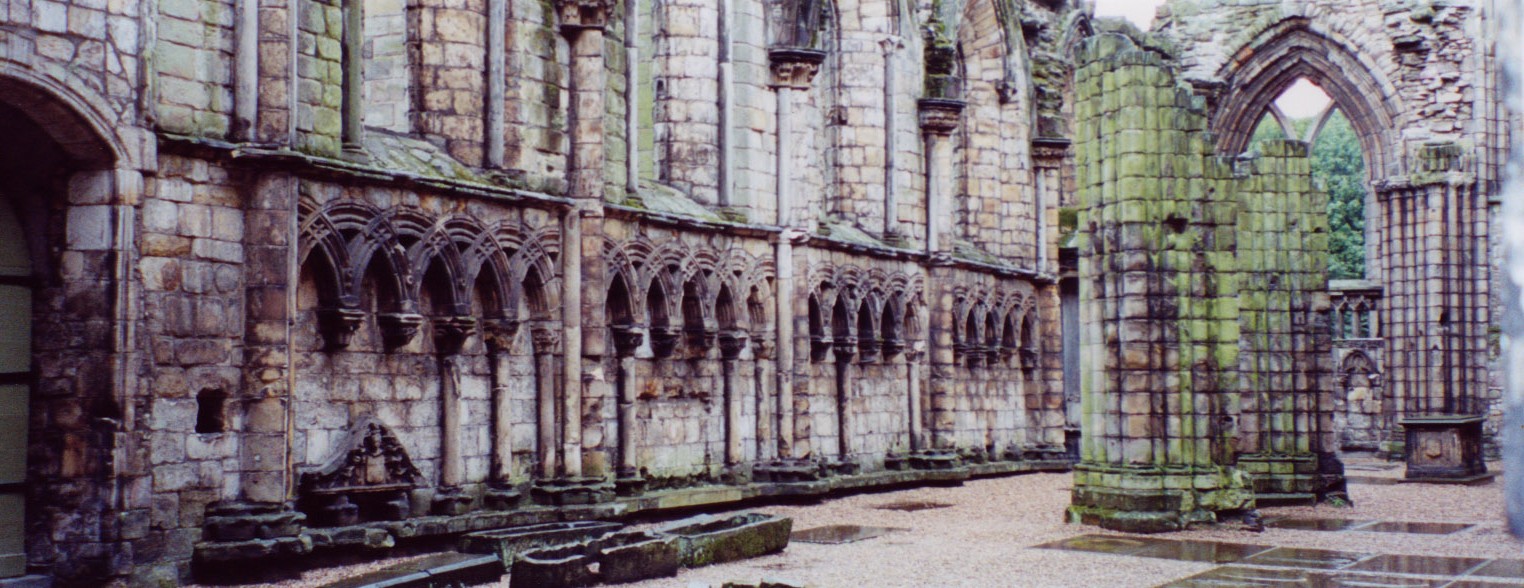
My metamorphosis began (unawares to me) on the day I lost in the hospital waiting room with my mother; the day I entered my cocoon where I spent years undergoing a transformation. Heart beat by heart beat I changed, realized, awoke; I left my fiancé, moved back to my childhood home, went to college, cared for my grandparents, then my father, then found my family and myself.
The sicker my father became the more withdrawn my mother was. I had to make up for all those years of pain I inflicted on my family: my penance. I took on multiple responsibilities, including nursemaid, confidant, peace keeper, household leader - a whirlwind of responsibilities that I would never have believed humanly possible or personally capable of managing. Wasn’t I still a child? I didn’t understand what was happening in my unconscious mind; how the pieces of my life were putting together the intricate puzzle that began the day I was born. How I survived I can’t explain. I look back in wonder at the stress and confusion, and still can’t paint a picture. Then again, some consider me more than slightly off balance, but a sane insanity.
One night in my father’s room I was crushing his meds to be put through his feeding tube followed by the nutrient formula that was his only sustenance. He sat there looking at me with a look I was unfamiliar with.
“Honey, I’m sorry. I’m so sorry.”
“For what, dad.”
“For ruining your life and my family.”
“Why would you say something like that? We want you to be better. You’ve ruined nothing. Stop that.”
“My wife hates the sight of me, my children can’t be in the same room with me, and you…you I’ve been a monster to. I’m so sorry for all the things I said to you growing up; for you I was the most scared, but you are the only one here for me now. I’m so sorry.” His head fell into his hands and he cried, ashamed.
“Daddy, please, you didn’t know, and neither did I that all I went through was going to make me who I am; it made me strong for you. It made me strong for you,” fighting back my own tears I knelt down and hugged my father’s shuddering frame.
Why now when it was too late to enjoy the newfound father before me? Now that I had a father who I would be honored to walk me down the aisle; now that I had a father who was proud of me, loved me, his delinquent and rebel; now that I had a father who would beam looking into a grandchild’s eyes. Why? Why? Why!! None of this would he experience; none of this would I ever be able to share with him.
And who was I? I was a stranger to myself, feeling emotions that were foreign and developing ideals that I never before considered. Had I reverted back to my innocent childhood perspectives of family and responsibility? Or was I someone all together different? I didn’t have the time to ponder these questions at that time, nor did I until many years later, when I had time to focus on me and my experiences, when I was forced into solitude, confronted with grief and chaos; I came to understand and respect me.
28 February 2011
Αἰωνία ἡ μνήμη (Eternal Memory) Chapter 6
♪♪ I grieve
For you
You leave
Me
So hard to move on
Still loving what’s gone
Said life carries on ♪
- Peter Gabriel “I Grieve"

August 4th, my father’s 59th birthday. How truly karmic being buried on your birthday. I drug myself into the shower and got ready for the church. I walked around promising everyone in the house that I would bark at anyone who pissed me off. They cocked their head and nodded, saying, “Uh, yeah. Sure you will.” I was monstrous and unwilling to accept the day’s planned events. Not even my yiayia, who arrived from Greece, sometime during these blurry days, could console me.
Arriving at the church, I couldn’t bring myself to go inside. Through the doors I could see the casket set in the middle of the marble floor before the altar. I could see the bright array of flowers that we had ordered for my father—we had told the florist, “think roy-g-biv” for a color scheme, a rainbow—my father would have expected nothing less from his wonderful harem of women. But I couldn’t go in there. I couldn’t see him lying there—dead.
I had a cigarette before going in and forced myself to stand beside him. He looked good, but it wasn’t him. No matter what version of life after death I choose to believe in, the fact remained that it wasn’t him lying there; it was just the physical shell of what I called “Daddy.”
I stared at him for a while when I leaned forward to kiss him as I always had on the forehead. Not only was he cold, but he didn’t feel human. I recalled Reenie’s voice in my mind saying, “Whatever you do, don’t touch his skin. At yiayia’s funeral I tried to hold her hand, and I will never get the feeling out of my memory. Don’t do it.” His skin had become taut and felt strange beneath my lips. I began to gently stroke his arm and head and again talk to him, speaking the same words of the past few days, like a broken record, replaying the same phrase - echoes in the scratch of the recording - running numbly from my lips and tongue. Again I felt I couldn’t leave him. I thought I’d stay there forever. But the masses were gathering, friends, family, strange faces surfaced from the back of the church, searching for recognition, blundering over hellos and grief-filled embraces. I reluctantly kissed him again and walked away.
I went to the front pew where my mother and sisters sat greeting people. I couldn’t bear it, all these people that kept coming up to me with red eyes saying, “I’m sorry.” I didn’t want to deal with all these people: my father’s co-workers, family that I hadn’t seen in years, friends of mine and my sisters, an endless parade of grievers, but they couldn’t know the depths of mine. Where had they been all this time while my father suffered? Their absence during my father’s last months began to anger me. I hated them for visiting him after he was gone.
I started walking out of the church. On my way someone grabbed my arm. I turned around to see one of my oldest and dearest friends, Argie. We had lost touch about twelve years before and I missed her terribly. We hugged each other so tight and for so long I felt the twelve years compress into nothing. Just seeing her and holding her so close to my heart brought monsoonal tears of joy and sorrow. No words passed from our lips while inside the church, just tears and embraces. We walked outside arm-in-arm like the school girls we used to be. She had to leave to go to work.
“I love you, Renee. I had to come here to see you.”
I didn’t care what had come between us; friends, good friends are hard to come by, and she was one of them. The arrival of past, present and future gathering for my father’s memory had begun.
For the next two hours I stood out front smoking cigarettes and greeting people before they went into the church – I couldn’t bring myself to return to the front pew. My dull recognition of faces allowed little more than a numb hug and absent voice saying, “yes,” to the figures passing before me. I felt safer out there in front because no one had seen him yet, so I greeted people still in denial, not after they had faced crushing reality. The flow of people seemed to never end. I saw family from both near and far. I saw all the people who belonged to the church whose lives my father had touched in so many ways, most of which I hadn’t realized, since I had left the church in my teens. People just came and said goodbye to a man whose immortality rests in not just his family, but friends and strangers too. For the first time I saw my father as the man he really was: a strong leader, a compassionate heart, a man of will, a power to achieve goals thought unthinkable, a father, a husband, a friend. I had never realized how loved my father really was—and still is.
I was ushered back into the church when services were about to begin. I took my seat beside my mother and stared off into the distance in hopes to catch a glimpse of my father looking out at all the love that was around him. I hoped for just a moment to see him smile and know that he was alright, and that he knew we would be alright because of the fantastic extended family that he had created for us. But instead, no, I felt empty.
The priest made the most wonderful eulogy. Father Bob shared my father’s conversations with him in hopes that my father’s voice could be heard above the sorrow. He gave a message to my mother saying, “George knew that times weren’t always that good, but he loved Maria with all his heart, and hoped she could forgive him for his not always showing it.” He went on to talk about my father’s 35 years of employment at Raytheon: his accomplishments and the friendships he had made. Beyond this he called our home the “estrogen house,” something that my father always said because he was the only male in the house with five women and four female pets. He shared with the many people there that day all my father had done to help the church and make it what it is today. When he spoke of my father he made him shine like a bright light, and made me realize that if I could only be half of what my father was, I could move mountains.
When the ceremony was over everyone was invited up for one last goodbye. I couldn’t bear to think that in a few moments I would stand up there too for mine. I watched the people gaze upon my father with such love that I couldn’t be more proud to say “that man is my father.” I felt each painful goodbye because all these people were linked through my father. He had touched them too.
The moment finally came when I had to stand with my mother and sisters before the casket for one last time. I would never hold his hand or kiss his forehead again. As I looked at him I realized that he wouldn’t be there to see me graduate from college, or walk me down the aisle on my wedding day. I knew that he would never hold a grandchild or retire with my mother. He was gone, and I could never share my future with him. I had a Daddy no more. One last kiss and the casket closed.
The cemetery service was brief. Yet again I couldn’t bring myself to walk away from him. I stood there and watched them lower the casket deep in to the ground. The clank of the rotary and belts supporting the casket rang in my ears: dirt, bugs, ultimate solitude, death, how, why, confusion, fear, incomprehensible. If I listen hard enough I think I can still hear the crank grind as the weight of the casket bared down.
A lot of people came back to the house for a luncheon afterward. It was wall-to-wall people who loved my father. A few of us even joked that since it was my father’s birthday he would have been eating a steak and singing like crazy because that would have been the best birthday present that he could have ever gotten.
In many ways the house reflected life, not death: a celebration, a birthday party, my father’s life and legacy. Traditional Greek funereal fare of fish and cheese filled the tables, which friends had set up while my family was still at the cemetery. Wine and Metaxa wafted through the air as people toasted to memories and love.
My sisters and I lost ourselves in our own sense of madness with our friends by our side to guide us through this stage of grieving. We laughed together over evermore drunken comments and antics – the numbing of the soul. Erica, drunk on migraine meds and wine, fairy danced about the porch, thus inventing the “interpretive dance” that became her trademark for expression, unable to comprehend her emotions; Chrissy mingled in and out of friends and family numbing herself with whisky, conversation and spiritless laughter; Connie, still in her prime youth, sat mostly silent, regarding the chaos in her home, the spectacle of life, lacking the ability to cope with the sensations running through her heart. I can’t remember myself. The surreality of my condition lacked a connection. I was watching the movie of tragedy and pain unfold, unable to create sense in a senseless time.
Later that night when the house was quiet again, I tried to close my eyes and rest. I kept tossing and turning and feeling like I wanted to be in the cemetery sleeping next to him. I felt as if I had broken a promise—to be there. But deep down I knew that I was there for him, I just wasn’t ready to let go. For many months I continued to wake abruptly at four o’clock in the morning just as I did that first night. I don’t know if my dad was saying, “hello,” or some other strange coincidence. It happened, and sometimes still eerily occurs in the darkest nights: the mysterious wonder of the mind.
I drive myself insane wondering where he is now, if he can hear me, see me, and what is out there in the beyond.
If I’m locked away somewhere deep in the recesses of my mind someone will be able to tell my story. The insanity never rests, haunting me, tormenting me each day of my life. I wonder if I will find my peace and come to understand this hollow in my heart; the pain is still so great—I should feel relief for the release of my father’s suffering—but I don’t. Selfishness...it’s a disease.
For you
You leave
Me
So hard to move on
Still loving what’s gone
Said life carries on ♪
- Peter Gabriel “I Grieve"

August 4th, my father’s 59th birthday. How truly karmic being buried on your birthday. I drug myself into the shower and got ready for the church. I walked around promising everyone in the house that I would bark at anyone who pissed me off. They cocked their head and nodded, saying, “Uh, yeah. Sure you will.” I was monstrous and unwilling to accept the day’s planned events. Not even my yiayia, who arrived from Greece, sometime during these blurry days, could console me.
Arriving at the church, I couldn’t bring myself to go inside. Through the doors I could see the casket set in the middle of the marble floor before the altar. I could see the bright array of flowers that we had ordered for my father—we had told the florist, “think roy-g-biv” for a color scheme, a rainbow—my father would have expected nothing less from his wonderful harem of women. But I couldn’t go in there. I couldn’t see him lying there—dead.
I had a cigarette before going in and forced myself to stand beside him. He looked good, but it wasn’t him. No matter what version of life after death I choose to believe in, the fact remained that it wasn’t him lying there; it was just the physical shell of what I called “Daddy.”
I stared at him for a while when I leaned forward to kiss him as I always had on the forehead. Not only was he cold, but he didn’t feel human. I recalled Reenie’s voice in my mind saying, “Whatever you do, don’t touch his skin. At yiayia’s funeral I tried to hold her hand, and I will never get the feeling out of my memory. Don’t do it.” His skin had become taut and felt strange beneath my lips. I began to gently stroke his arm and head and again talk to him, speaking the same words of the past few days, like a broken record, replaying the same phrase - echoes in the scratch of the recording - running numbly from my lips and tongue. Again I felt I couldn’t leave him. I thought I’d stay there forever. But the masses were gathering, friends, family, strange faces surfaced from the back of the church, searching for recognition, blundering over hellos and grief-filled embraces. I reluctantly kissed him again and walked away.
I went to the front pew where my mother and sisters sat greeting people. I couldn’t bear it, all these people that kept coming up to me with red eyes saying, “I’m sorry.” I didn’t want to deal with all these people: my father’s co-workers, family that I hadn’t seen in years, friends of mine and my sisters, an endless parade of grievers, but they couldn’t know the depths of mine. Where had they been all this time while my father suffered? Their absence during my father’s last months began to anger me. I hated them for visiting him after he was gone.
I started walking out of the church. On my way someone grabbed my arm. I turned around to see one of my oldest and dearest friends, Argie. We had lost touch about twelve years before and I missed her terribly. We hugged each other so tight and for so long I felt the twelve years compress into nothing. Just seeing her and holding her so close to my heart brought monsoonal tears of joy and sorrow. No words passed from our lips while inside the church, just tears and embraces. We walked outside arm-in-arm like the school girls we used to be. She had to leave to go to work.
“I love you, Renee. I had to come here to see you.”
I didn’t care what had come between us; friends, good friends are hard to come by, and she was one of them. The arrival of past, present and future gathering for my father’s memory had begun.
For the next two hours I stood out front smoking cigarettes and greeting people before they went into the church – I couldn’t bring myself to return to the front pew. My dull recognition of faces allowed little more than a numb hug and absent voice saying, “yes,” to the figures passing before me. I felt safer out there in front because no one had seen him yet, so I greeted people still in denial, not after they had faced crushing reality. The flow of people seemed to never end. I saw family from both near and far. I saw all the people who belonged to the church whose lives my father had touched in so many ways, most of which I hadn’t realized, since I had left the church in my teens. People just came and said goodbye to a man whose immortality rests in not just his family, but friends and strangers too. For the first time I saw my father as the man he really was: a strong leader, a compassionate heart, a man of will, a power to achieve goals thought unthinkable, a father, a husband, a friend. I had never realized how loved my father really was—and still is.
I was ushered back into the church when services were about to begin. I took my seat beside my mother and stared off into the distance in hopes to catch a glimpse of my father looking out at all the love that was around him. I hoped for just a moment to see him smile and know that he was alright, and that he knew we would be alright because of the fantastic extended family that he had created for us. But instead, no, I felt empty.
The priest made the most wonderful eulogy. Father Bob shared my father’s conversations with him in hopes that my father’s voice could be heard above the sorrow. He gave a message to my mother saying, “George knew that times weren’t always that good, but he loved Maria with all his heart, and hoped she could forgive him for his not always showing it.” He went on to talk about my father’s 35 years of employment at Raytheon: his accomplishments and the friendships he had made. Beyond this he called our home the “estrogen house,” something that my father always said because he was the only male in the house with five women and four female pets. He shared with the many people there that day all my father had done to help the church and make it what it is today. When he spoke of my father he made him shine like a bright light, and made me realize that if I could only be half of what my father was, I could move mountains.
When the ceremony was over everyone was invited up for one last goodbye. I couldn’t bear to think that in a few moments I would stand up there too for mine. I watched the people gaze upon my father with such love that I couldn’t be more proud to say “that man is my father.” I felt each painful goodbye because all these people were linked through my father. He had touched them too.
The moment finally came when I had to stand with my mother and sisters before the casket for one last time. I would never hold his hand or kiss his forehead again. As I looked at him I realized that he wouldn’t be there to see me graduate from college, or walk me down the aisle on my wedding day. I knew that he would never hold a grandchild or retire with my mother. He was gone, and I could never share my future with him. I had a Daddy no more. One last kiss and the casket closed.
The cemetery service was brief. Yet again I couldn’t bring myself to walk away from him. I stood there and watched them lower the casket deep in to the ground. The clank of the rotary and belts supporting the casket rang in my ears: dirt, bugs, ultimate solitude, death, how, why, confusion, fear, incomprehensible. If I listen hard enough I think I can still hear the crank grind as the weight of the casket bared down.
A lot of people came back to the house for a luncheon afterward. It was wall-to-wall people who loved my father. A few of us even joked that since it was my father’s birthday he would have been eating a steak and singing like crazy because that would have been the best birthday present that he could have ever gotten.
In many ways the house reflected life, not death: a celebration, a birthday party, my father’s life and legacy. Traditional Greek funereal fare of fish and cheese filled the tables, which friends had set up while my family was still at the cemetery. Wine and Metaxa wafted through the air as people toasted to memories and love.
My sisters and I lost ourselves in our own sense of madness with our friends by our side to guide us through this stage of grieving. We laughed together over evermore drunken comments and antics – the numbing of the soul. Erica, drunk on migraine meds and wine, fairy danced about the porch, thus inventing the “interpretive dance” that became her trademark for expression, unable to comprehend her emotions; Chrissy mingled in and out of friends and family numbing herself with whisky, conversation and spiritless laughter; Connie, still in her prime youth, sat mostly silent, regarding the chaos in her home, the spectacle of life, lacking the ability to cope with the sensations running through her heart. I can’t remember myself. The surreality of my condition lacked a connection. I was watching the movie of tragedy and pain unfold, unable to create sense in a senseless time.
Later that night when the house was quiet again, I tried to close my eyes and rest. I kept tossing and turning and feeling like I wanted to be in the cemetery sleeping next to him. I felt as if I had broken a promise—to be there. But deep down I knew that I was there for him, I just wasn’t ready to let go. For many months I continued to wake abruptly at four o’clock in the morning just as I did that first night. I don’t know if my dad was saying, “hello,” or some other strange coincidence. It happened, and sometimes still eerily occurs in the darkest nights: the mysterious wonder of the mind.
I drive myself insane wondering where he is now, if he can hear me, see me, and what is out there in the beyond.
If I’m locked away somewhere deep in the recesses of my mind someone will be able to tell my story. The insanity never rests, haunting me, tormenting me each day of my life. I wonder if I will find my peace and come to understand this hollow in my heart; the pain is still so great—I should feel relief for the release of my father’s suffering—but I don’t. Selfishness...it’s a disease.
25 February 2011
Αἰωνία ἡ μνήμη (Eternal Memory) Chapter 5
♫ I need some distraction or a beautiful release
Memories seep through my veins
Let me be empty and weightless and maybe
I’ll find some peace tonight ♪
- Sarah McLaughlan “Angel”
 ♫ If God will send his angels
And if God will send a sign
And if God will send His visions
Would everything be alright ♫
- U2 “If God Will Send His Angels”
I woke up the next morning to find the house quite still. I didn’t know who was home and who wasn’t. I just knew it was quiet. My aunt walked in the door a few hours later and told me that my father had a very difficult night, and that my mother was there with him now. She said that she was going to sleep for a while, and then as she sunk into the sofa, she was fast asleep. She didn’t give me any information about what had happened through the night hours: she was too overwrought.
I called my mother about 11am or so just to see how everything was going, and to tell her that I would be there by 2.
“I don’t think I’ll be leaving today, hon.”
“What Ma, why not?”
“I…I just don’t know…I (sniff) don’t think he’ll be here much longer…” She trailed off.
“How?! He was fine yesterday. What’s going on? What, please tell me.”
“Well, I think he’s gone into a coma or something. He’s…he’s not responding to anything…I just don’t know.” And she started crying.
“Mom, I’ll get the girls up and ready and we’ll be there soon.”
“Call people…you know…just tell them to come…ok?”
“I’ll take care of it.”
I began to pace around the kitchen, not sure what to do. I woke my sisters and told them to get up and dressed quickly. While they were getting ready I started making phone calls. I called Aunt Elsie first, no answer, and then tried to call my father’s other sister, Aunt Peggy. I had no luck there either, but I did get a chance to talk to my cousin. I told him what was going on, and to try to find his mother quickly. I was frantic and I knew it. I didn’t care. I don’t know who I called next or if I even called someone after that. I thought, “How would I find my aunts? What should I do next?”
I decided to call my cousin Reenie. She might know where my Aunt Peggy was or at least she could take over phone calls from there for me. While I was talking to her I could hear the other phone line ring in the house. I knew my aunt or sisters who had finally gotten up would pick up on another phone; they knew I was on the cordless outside, besides, it was probably my Aunt Elsie.
I heard the screen door open behind me and I turned around to see my aunt Elaine standing there. Her face seemed a little distorted, she was trying to hold back emotions. I knew it. I could sense it.
“Renee,” she hesitated, “that was your mother…”
“No! Damn you, no!” I screamed, forgetting that I was on the phone with Reenie. “Don’t you say it! Don’t you open your mouth! I can’t hear you…go away! Stay away!” I just kept screaming and yelling. I couldn’t breathe. I couldn’t see. I couldn’t move, “Damn it, NO!” My aunt started to come towards me, but I yelled at her to go back inside. I didn’t want that moment to be real. If she never said it, it wouldn’t be true.
“Alright, alright, just please give me the phone.”
I forgot I had the phone, handed it to her, and began circling the yard, sobbing, hyperventilating, saying “no”. I felt trapped. I didn’t know where to go. My fenced yard made me a caged animal, pacing frantically. My aunt caught up with me and I turned my back to her.
“Please don’t say it. I didn’t even get there to see him yet. I wasn’t there for him. No! It’s not time. I’m not done taking care of him. They said he was coming home. Oh please, please don’t say it…”
She grabbed for me and hugged me tight, “I know, baby, I know. It’s ok.” She just kept saying it and saying it while I cried and sobbed and convulsed.
Maybe if I screamed and cried loud enough he would hear me and come back. Maybe the angels would send him back because I was his angel not them. Maybe I was having a nightmare and my own sobs would wake me up.
My aunt began telling me what happened through the night; she hoped that maybe by hearing what he had said to her I might be able to accept what it was that had happened. She told me that he had sent my mother home about 1 o’clock in the morning, but he asked my aunt if she would stay with him. My mother left reluctantly, and my aunt had stayed willingly. She said that he talked with her for a while before he fell asleep, and woke up to the nightmare of his last hours. She said that he turned to her and said, “Did you see what I had here today? Did you see my wonderful family? I am the luckiest man in the world with all my beautiful girls. Today was the best day I have had in a long time.” She said that as he said these things, he beamed and was radiant with energy and love. She said that he was at peace with his life, and that he loved us more than life itself.
Aunt Elaine said he had gone to sleep after that, and he slept more soundly than he had in days. But after his brief sleep the pain woke him and he fought for breath. The doctors offered him options to ease the symptoms of the transition period, but he said, “no, just make me comfortable,” so they did the best they could. My aunt said he was fitful and reached out to the air. We figure he was arguing with his mother, sharing a twilight world in between life and death. She told me that when morning came with the sun coming over the horizon that he asked her what time it was and to be bathed. She answered that it was 7:30, and he replied, “good.” No one knows why he asked this or what it meant. Maybe he knew he’d get to see my mother again since she was coming soon, or maybe he knew that it would be over soon, and wanted to prepare. No one will ever know.
The nurses came and washed him, gave him more medicine and he fell asleep. My aunt said that he was sleeping when my mother got there, but he was clean, and then she left to come home and knew no more.
I’d like to believe that my mother and father actually got to see each other again, before he died. I want to believe that they got the chance to say ‘I love you’ one last time. I have to believe that he knew she was there by his bedside when he left his body. I never asked my mom any of these things because I’d rather keep my image of peace if that’s not how it happened. I also wonder if it was when I called that morning that he died. It was so soon after I had talked to my mom that she called back with a broken heart. I’d like to believe that he made me call somehow to say goodbye. You see…I was linked to his room through that phone line. It was like I was there. It could have been my goodbye.
I walked into my father’s room behind my sisters and hugged my mother and my Aunt Elsie who had gotten there just before we had. She was on her way to visit my father when I had called her, getting her answering machine. She arrived too late.
I went to my father’s bedside and looked down at what was left of him. His lips had already lost their color and appeared yellow. His cheeks blended in with his lips, and his hands looked shriveled and white. I bent down to kiss his forehead and felt the cold of death. I knelt down on the floor beside him and stroked his head as I had done just the night before. The tears began streaming down my cheeks like waterfalls. They ran down my neck and saturated my shirt. I couldn’t stop them. I began whispering to him, “Daddy, oh Daddy, I love you. You’re gonna have to be my angel now.”
In my mind I was saying, “I’ll never leave you. I’m sorry. I promise this time. I was supposed to protect you. It can’t be your time. Oh, it just can’t. I love you, Daddy.” I couldn’t stop my mind’s motion. In my denial I was hoping that I would have gotten to the hospital and found him still alive. But once I got there and saw what I used to know as my father, I was lost. I was grief stricken. I kneeled there next to him, stroking his head and arm for almost forty-five minutes. I just couldn’t get up. I couldn’t leave him.
Finally everyone came over to me and got me up and mostly to my senses. We all said goodbye and “I love you” one last time and left the hospital.
I didn’t want to talk to or see anyone. I wanted to be alone, but no one let me. People kept coming to the house and asking if I was ok. I barked, “No I’m not!” I really was grateful that so many friends and family came, but how could they know how I really felt?
Late that night, when everyone left and the phone stopped ringing, I tried to go to sleep but failed. Over and over I could hear myself say, “I’ll never leave you. I love you, Daddy. No!” I couldn’t make the images of the past months go away. These were the bad images, the ones that told me how great my father’s pain had been. They were the images of my frustration and exhaustion with caring for him. They hurt. They all hurt so terribly I felt that my heart would burst and my head explode if they wouldn’t let me be.
Four am came and I sat up in bed with a start. There was no closing my eyes anymore, resistance was futile. I was awake. I went to the kitchen and made myself some tea, grabbed my cigarettes and lighter, and pulled a beach chair out to the middle of the yard. I sat there sipping my tea, smoking, and crying. I let myself drown in the ocean of tears. I looked out across the sky, watching the sun peek over the horizon. The air smelled clean and sweet with summer wild flowers, and a soft breeze whispered all around me. The sky was bright, baby blue with only a spattering of clouds, dancing across it. The higher in the sky the sun rose, the brighter and more peaceful I felt. Instead of crying in pain I just cried. The birds were awake and singing their morning songs. At first I was angry at it being such a beautiful, new day, but then I began reaching out to it. I started talking to my father.
“Where are you, Daddy? What happened? Can you hear me and see me? I love you. I miss you so much. I wasn’t done taking care of you, Daddy. Why did they come and take you away?”
While I was talking to him I was searching the sky, as if heaven would allow me a glimpse of my father one last time. Few clouds dotted the blue landscape, and one loomed omnipresent in my line of vision. I rubbed my red, swollen, bleary eyes and looked again. There above me I saw the perfect shape of a hand. I giggled to myself (or to my father) and raised my right hand up to meet it. There before my eyes I held my father’s hand one more time. I held it tight and smiled until it disappeared into the sunrise.
It was him. He wanted to tell me he loved me and to reassure me that he would be my angel now. He would protect me and it would be alright. I fell asleep in my beach chair in the middle of my yard, feeling comforted and secure and close to my father once more.
It was a brief sleep I had out in the morning dew, but it was the only sleep (peaceful sleep) that I would have for the next few days. It was Monday then, and all the preparations for the funeral needed to be taken care of. Thank heavens that everyone else kicked into gear when I shut down because I was worthless. My sisters and mother along with friends and family began cleaning and making phone calls. The funeral director came to settle the newspaper announcements and funeral arrangements.
Tuesday came and went as if it never really happened. The only accomplishment of the day was buying a dress that was not black—I had wanted white but couldn’t find one. Yes, neurotic as I am, white, I wanted white; I refused to wear black; I always wear black so what good would it do to wear it to the funeral: it’s lost its meaning in that respect. I must have tried on at least fifty dresses and found nothing.
My sisters and I wandered from store to store in New Hope, looking through racks of potential dresses. I went to the dressing room with at least four dresses each time, but they either didn’t fit correctly or weren’t pretty enough. My sisters joked that I had finally gone off my rocker, and reminded me that the older, very Greek, family members would reprimand me if I didn’t wear black. Erica pulled a blue dress from the fifth store, saying that the color was nice for me – I think she was exhausted from my fruitless quest. I tried it on, floor-length and delicate, chiffon fabric. I bought it.
I was miserable on the drive home because I couldn’t find white. I wanted white, I was morosely adamant that my father wanted me to wear white. And who was going to argue with my mental state. Why did I have to wear white? Some attributed it to be the wedding dress my father would never see me in or, perhaps, simply the façade of my angel status in his eyes, and even, maybe, my desire to be childlike and virginal for him on that somber day.

Memories seep through my veins
Let me be empty and weightless and maybe
I’ll find some peace tonight ♪
- Sarah McLaughlan “Angel”

And if God will send a sign
And if God will send His visions
Would everything be alright ♫
- U2 “If God Will Send His Angels”
I woke up the next morning to find the house quite still. I didn’t know who was home and who wasn’t. I just knew it was quiet. My aunt walked in the door a few hours later and told me that my father had a very difficult night, and that my mother was there with him now. She said that she was going to sleep for a while, and then as she sunk into the sofa, she was fast asleep. She didn’t give me any information about what had happened through the night hours: she was too overwrought.
I called my mother about 11am or so just to see how everything was going, and to tell her that I would be there by 2.
“I don’t think I’ll be leaving today, hon.”
“What Ma, why not?”
“I…I just don’t know…I (sniff) don’t think he’ll be here much longer…” She trailed off.
“How?! He was fine yesterday. What’s going on? What, please tell me.”
“Well, I think he’s gone into a coma or something. He’s…he’s not responding to anything…I just don’t know.” And she started crying.
“Mom, I’ll get the girls up and ready and we’ll be there soon.”
“Call people…you know…just tell them to come…ok?”
“I’ll take care of it.”
I began to pace around the kitchen, not sure what to do. I woke my sisters and told them to get up and dressed quickly. While they were getting ready I started making phone calls. I called Aunt Elsie first, no answer, and then tried to call my father’s other sister, Aunt Peggy. I had no luck there either, but I did get a chance to talk to my cousin. I told him what was going on, and to try to find his mother quickly. I was frantic and I knew it. I didn’t care. I don’t know who I called next or if I even called someone after that. I thought, “How would I find my aunts? What should I do next?”
I decided to call my cousin Reenie. She might know where my Aunt Peggy was or at least she could take over phone calls from there for me. While I was talking to her I could hear the other phone line ring in the house. I knew my aunt or sisters who had finally gotten up would pick up on another phone; they knew I was on the cordless outside, besides, it was probably my Aunt Elsie.
I heard the screen door open behind me and I turned around to see my aunt Elaine standing there. Her face seemed a little distorted, she was trying to hold back emotions. I knew it. I could sense it.
“Renee,” she hesitated, “that was your mother…”
“No! Damn you, no!” I screamed, forgetting that I was on the phone with Reenie. “Don’t you say it! Don’t you open your mouth! I can’t hear you…go away! Stay away!” I just kept screaming and yelling. I couldn’t breathe. I couldn’t see. I couldn’t move, “Damn it, NO!” My aunt started to come towards me, but I yelled at her to go back inside. I didn’t want that moment to be real. If she never said it, it wouldn’t be true.
“Alright, alright, just please give me the phone.”
I forgot I had the phone, handed it to her, and began circling the yard, sobbing, hyperventilating, saying “no”. I felt trapped. I didn’t know where to go. My fenced yard made me a caged animal, pacing frantically. My aunt caught up with me and I turned my back to her.
“Please don’t say it. I didn’t even get there to see him yet. I wasn’t there for him. No! It’s not time. I’m not done taking care of him. They said he was coming home. Oh please, please don’t say it…”
She grabbed for me and hugged me tight, “I know, baby, I know. It’s ok.” She just kept saying it and saying it while I cried and sobbed and convulsed.
Maybe if I screamed and cried loud enough he would hear me and come back. Maybe the angels would send him back because I was his angel not them. Maybe I was having a nightmare and my own sobs would wake me up.
My aunt began telling me what happened through the night; she hoped that maybe by hearing what he had said to her I might be able to accept what it was that had happened. She told me that he had sent my mother home about 1 o’clock in the morning, but he asked my aunt if she would stay with him. My mother left reluctantly, and my aunt had stayed willingly. She said that he talked with her for a while before he fell asleep, and woke up to the nightmare of his last hours. She said that he turned to her and said, “Did you see what I had here today? Did you see my wonderful family? I am the luckiest man in the world with all my beautiful girls. Today was the best day I have had in a long time.” She said that as he said these things, he beamed and was radiant with energy and love. She said that he was at peace with his life, and that he loved us more than life itself.
Aunt Elaine said he had gone to sleep after that, and he slept more soundly than he had in days. But after his brief sleep the pain woke him and he fought for breath. The doctors offered him options to ease the symptoms of the transition period, but he said, “no, just make me comfortable,” so they did the best they could. My aunt said he was fitful and reached out to the air. We figure he was arguing with his mother, sharing a twilight world in between life and death. She told me that when morning came with the sun coming over the horizon that he asked her what time it was and to be bathed. She answered that it was 7:30, and he replied, “good.” No one knows why he asked this or what it meant. Maybe he knew he’d get to see my mother again since she was coming soon, or maybe he knew that it would be over soon, and wanted to prepare. No one will ever know.
The nurses came and washed him, gave him more medicine and he fell asleep. My aunt said that he was sleeping when my mother got there, but he was clean, and then she left to come home and knew no more.
I’d like to believe that my mother and father actually got to see each other again, before he died. I want to believe that they got the chance to say ‘I love you’ one last time. I have to believe that he knew she was there by his bedside when he left his body. I never asked my mom any of these things because I’d rather keep my image of peace if that’s not how it happened. I also wonder if it was when I called that morning that he died. It was so soon after I had talked to my mom that she called back with a broken heart. I’d like to believe that he made me call somehow to say goodbye. You see…I was linked to his room through that phone line. It was like I was there. It could have been my goodbye.
I walked into my father’s room behind my sisters and hugged my mother and my Aunt Elsie who had gotten there just before we had. She was on her way to visit my father when I had called her, getting her answering machine. She arrived too late.
I went to my father’s bedside and looked down at what was left of him. His lips had already lost their color and appeared yellow. His cheeks blended in with his lips, and his hands looked shriveled and white. I bent down to kiss his forehead and felt the cold of death. I knelt down on the floor beside him and stroked his head as I had done just the night before. The tears began streaming down my cheeks like waterfalls. They ran down my neck and saturated my shirt. I couldn’t stop them. I began whispering to him, “Daddy, oh Daddy, I love you. You’re gonna have to be my angel now.”
In my mind I was saying, “I’ll never leave you. I’m sorry. I promise this time. I was supposed to protect you. It can’t be your time. Oh, it just can’t. I love you, Daddy.” I couldn’t stop my mind’s motion. In my denial I was hoping that I would have gotten to the hospital and found him still alive. But once I got there and saw what I used to know as my father, I was lost. I was grief stricken. I kneeled there next to him, stroking his head and arm for almost forty-five minutes. I just couldn’t get up. I couldn’t leave him.
Finally everyone came over to me and got me up and mostly to my senses. We all said goodbye and “I love you” one last time and left the hospital.
I didn’t want to talk to or see anyone. I wanted to be alone, but no one let me. People kept coming to the house and asking if I was ok. I barked, “No I’m not!” I really was grateful that so many friends and family came, but how could they know how I really felt?
Late that night, when everyone left and the phone stopped ringing, I tried to go to sleep but failed. Over and over I could hear myself say, “I’ll never leave you. I love you, Daddy. No!” I couldn’t make the images of the past months go away. These were the bad images, the ones that told me how great my father’s pain had been. They were the images of my frustration and exhaustion with caring for him. They hurt. They all hurt so terribly I felt that my heart would burst and my head explode if they wouldn’t let me be.
Four am came and I sat up in bed with a start. There was no closing my eyes anymore, resistance was futile. I was awake. I went to the kitchen and made myself some tea, grabbed my cigarettes and lighter, and pulled a beach chair out to the middle of the yard. I sat there sipping my tea, smoking, and crying. I let myself drown in the ocean of tears. I looked out across the sky, watching the sun peek over the horizon. The air smelled clean and sweet with summer wild flowers, and a soft breeze whispered all around me. The sky was bright, baby blue with only a spattering of clouds, dancing across it. The higher in the sky the sun rose, the brighter and more peaceful I felt. Instead of crying in pain I just cried. The birds were awake and singing their morning songs. At first I was angry at it being such a beautiful, new day, but then I began reaching out to it. I started talking to my father.
“Where are you, Daddy? What happened? Can you hear me and see me? I love you. I miss you so much. I wasn’t done taking care of you, Daddy. Why did they come and take you away?”
While I was talking to him I was searching the sky, as if heaven would allow me a glimpse of my father one last time. Few clouds dotted the blue landscape, and one loomed omnipresent in my line of vision. I rubbed my red, swollen, bleary eyes and looked again. There above me I saw the perfect shape of a hand. I giggled to myself (or to my father) and raised my right hand up to meet it. There before my eyes I held my father’s hand one more time. I held it tight and smiled until it disappeared into the sunrise.
It was him. He wanted to tell me he loved me and to reassure me that he would be my angel now. He would protect me and it would be alright. I fell asleep in my beach chair in the middle of my yard, feeling comforted and secure and close to my father once more.
It was a brief sleep I had out in the morning dew, but it was the only sleep (peaceful sleep) that I would have for the next few days. It was Monday then, and all the preparations for the funeral needed to be taken care of. Thank heavens that everyone else kicked into gear when I shut down because I was worthless. My sisters and mother along with friends and family began cleaning and making phone calls. The funeral director came to settle the newspaper announcements and funeral arrangements.
Tuesday came and went as if it never really happened. The only accomplishment of the day was buying a dress that was not black—I had wanted white but couldn’t find one. Yes, neurotic as I am, white, I wanted white; I refused to wear black; I always wear black so what good would it do to wear it to the funeral: it’s lost its meaning in that respect. I must have tried on at least fifty dresses and found nothing.
My sisters and I wandered from store to store in New Hope, looking through racks of potential dresses. I went to the dressing room with at least four dresses each time, but they either didn’t fit correctly or weren’t pretty enough. My sisters joked that I had finally gone off my rocker, and reminded me that the older, very Greek, family members would reprimand me if I didn’t wear black. Erica pulled a blue dress from the fifth store, saying that the color was nice for me – I think she was exhausted from my fruitless quest. I tried it on, floor-length and delicate, chiffon fabric. I bought it.
I was miserable on the drive home because I couldn’t find white. I wanted white, I was morosely adamant that my father wanted me to wear white. And who was going to argue with my mental state. Why did I have to wear white? Some attributed it to be the wedding dress my father would never see me in or, perhaps, simply the façade of my angel status in his eyes, and even, maybe, my desire to be childlike and virginal for him on that somber day.

Αἰωνία ἡ μνήμη (Eternal Memory) Chapter 4
hold on to me love
you know i can't stay long
all i wanted to say was i love you and i'm not afraid
can you hear me?
can you feel me in your arms?
holding my last breath
safe inside myself
are all my thoughts of you
sweet raptured light it ends here tonight
- Evanescence
My father, my daddy, who has been lost to me until the past year, has again left me…this time forever. He’s dead, damn it, dead! My mind screams, “Why?!” over and over again, yet no one offers an answer that I can accept.
My father died on Sunday, August 1st. He died in the cold, sanitary hospital not his warm and comforting room at home. This fact disturbs me just as much as all the others. You see, he wanted to be at home.
On Friday, we rushed him into the emergency room because he was having difficulty breathing. It was a very frightening night. It was almost 11 o’clock or so and I had just come home from coffee with Kimberly. I was excited to be home because I knew that my aunt Elaine would be there. She’s my most favorite aunt and I was glad that I would be able to visit with her for a few days. No sooner had I given her a hug hello and sat down to chat when I heard my mother’s anxious voice yell down the stairs. I could sense the worry in her call and darted up the steps instead of returning with a holler.
When I reached my parents bedroom everything looked normal, but felt unsettling. My mother’s pupils were large. Her eyes darted back and forth. Her hair had a static halo. Panic. My father sat in his oversized armchair in the corner. As my breath calmed from running up the stairs my heart slowed its pounding in my ears, then I heard it. I was a grotesque gurgling sound, resonating from my father, a rattle (later we learned that it was the combination of pneumonia and the tiny pinhole opening in my father’s esophagus).
I went over to his side and gave my father a kiss on his forehead as I had done so many times before. He touched my arm in recognition. I held my father’s hand nervously. I kept running my fingers over his and rubbed his back with my other hand. The nurse my mother called told us to get my father to the hospital for oxygen.
My father didn’t want to go. He started to panic; he wanted to go to the bathroom so we helped him. He tried and tried but nothing came. I helped him walk back to his chair only to be asked to take him back to the bathroom again. My mother ran around the room gathering pajamas and robe and slippers, medicines. My aunt was getting caught up in the insanity too. She woke up my other sisters to tell them what was going on, but that it would be better for them to wait at home than to all pace around in the hospital waiting room for god knows how long. My youngest sister, who was still awake, just stood there confused, watching us all run around in shock.
Once everything was together it was time to get my father down the steps and out into the car. None of us had any idea how we were going to accomplish this task. My mother and I helped my father to the top of the steps one on each side of him, but that wasn’t an option for going down. Through his gurgled breathing and paralyzed vocal cords my father’s rough whisper said, “I’m going down on my butt.” My mother, my aunt, and I simultaneously looked at my dad then at each other and let out a giggle. Through all of the craziness we found a bit of light-heartedness. My mother got in front while we helped my father into a seated position on the top of the steps. I sat down next to my father’s frail body, put my left arm around his back, and held his right hand with mine.
“Okay, dad. Whenever you’re ready. No hurry,” I said holding my breath, waiting for him to say that he couldn’t do it.
“On the count of three we’ll go,” my father replied in a harsh whisper.
“One…(I rubbed his back)…two… (I clenched his hand tighter)…three.” Thump!
And that’s the way we went down the next twelve steps. He was a child again, and it was his last childhood game.
We got him into my mom’s mini-van. I tucked his robe in from the door and fixed his positioning in the seat. I gave him a big kiss on the forehead and told him that I would follow in my car.
“Thank you honey, thank you,” he said and let a tear roll down his cheek.
“No I’m not going to cry,” I said, half to myself half to the warm night air. This couldn’t be it, I thought to myself. We’ll get him to the hospital and they’ll fix him and send him home. My aunt offered to drive but I insisted. I’m more like my father than I ever believed. My mom sped up the street while my aunt and I were still fastening our seat belts. My aunt tried to help me relax, joking that she hadn’t planned on such an exciting visit and how this would be the latest she’d stayed up in years. I cracked a few smiles and went the same direction my mother had only moments before.
We were driving down Crestview, two blocks away from my house, and the sky caught my attention. Initially focusing on the object above me I saw a shooting star, but unlike a brief trail in the sky, it didn’t disappear when I blinked. Instead a ball of fire glared at me revealing a twinkling, sparkling tail. It looked like it was directly in front of me but above the horizon. I held my breath and blurted out, “Oh my God! Did you see that?...we’re still alive right?” It had dawned on me that what I had seen was a really large meteorite that had broken through the atmosphere. August is the month of meteor showers so this was feasible to believe, but highly unlikely that someone would actually witness.
“What are you talking about, Renee, I didn’t see a thing. Are you sure you don’t want me to drive?” was my aunt’s reply.
“No, no, I’m ok. I don’t think I was hallucinating. I hope that wasn’t a bad omen.”
“You’re nuts, kiddo.” My aunt snickered.
Superstitious, yes, I am. To me this translated to the angels coming to take someone home with them. The rest of the ride to the hospital I kept telling myself that it wasn’t his time…I’m just nuts, me and my dumb superstitions. The rest of the ride was spent in silence.
Once at the hospital my aunt and I chain smoked outside the automatic ER door -- buzz…buzz…buzz -- a steady open and close, normal for a Friday night. To lighten our heavy thoughts my aunt cracked jokes about my superstitions, and periodically checked the waiting room TV for news of my “meteorite” – my aunt will never let me live this one down. I kept asking the nurses if I could go back to where my father lay, but they kept telling me not to worry, they’d let me know when I could go back or if anything was critical. Hours went by and not even my mother came out to the waiting room.
At five thirty my mother finally came out to us. The expression on her face was a solemn one. I had expected some sign of relief as an indication that all would be well soon or at least some sign that it wasn’t time yet. But I got none. Instead she explained that not one of the doctors that had been in to see him could understand what was going on. She wanted me to go in to see him and then go home and come back with my sisters after a few hours sleep. She looked terrified and offered me no comfort.
When I walked into his room, I saw the two nurses off to the side, preparing needles and medication for my father’s IVs. Instead of a reassuring smile from him, I was greeted by an ashen complexion and a vacant stare. His gurgled breathing was now accompanied by beeps and buzzes from the machines recently connected to various body parts. The nurses didn’t even look me in the eye when they saw me go up to my father’s bedside.
I grabbed his hand in mine and stroked the fuzzy hair on his head. I bent down and placed a kiss gently on his cheek this time and said, “I love you, Daddy.” He moved his other, working hand over mine and said, “I love you too. Remember you’re my angel.”
I just stood there hoping that in some miraculous way I could give him some of my strength and energy. I could feel him slipping away and I wanted to stop it. Just outside his room I could hear the nurses talking to the doctor then they called my mother out. I couldn’t quite make out what they were telling her, their voices were too low. I watched all the legs walk away from under the drawn curtain, but my mother’s remained: she was composing herself before she came back in.
“Maria…Maria…” came hoarsely out of my father, “tell me, please, tell me what they said. I have to know.”
“They don’t know, George. They are still running some tests.”
My father pulled me close and I could see the tears welling in his eyes.
“Renee, honey, I think this is it. I can feel it. Please…go home and get some rest and bring all the girls back. I want to talk to all of you. Please, it’s ok. I love you honey.”
“You know I am so proud of you. I don’t know what I would have done without you all these months. You’re my angel never forget that. Go home now, ok.”
My aunt walked me outside and gave me a hug.
There was a dense fog distorting the outside world, shadows marked buildings and white eyes crept along the street. The sun peaked through above the horizon, casting an eerie glow. Birds chirped and tweeted, echoing through the mists; they too seemed to be haunted and haunting under cover of the fog. I got in my car and drove slowly home in the surreal morning.
Once home I went into my parent’s room and curled up on my father’s sheet-protected, over-sized recliner. I couldn’t stop the tears. I wanted to pretend that I was a child curled in my father’s arms. I wanted all of the terrible adolescent memories washed away, all the arguments and hurtful words swept away in the flood. I wanted only to have known my father as the man I knew now. They seemed like two different people; one a harsh, strict dictator, an ugly monster; the other a loving, caring, strong man, my daddy. Why did it have to come to his cancer becoming terminal for us to make peace with each other and our individual natures? It wasn’t fair. It isn’t fair.
I awoke at ten o’clock, hearing my mother and aunt come in the front door and smelled eggs and bacon in the frying pan. My mother looked worn and disheveled: eyes swollen, Einstein hair, and her body slumped. She said that the doctors were more at ease because he had made it through the night and actually seemed a bit better. She told us what room he was in and staggered up to bed.
The four of us, my sisters and I, rode silently to the hospital. We found my father awake and waiting for us. His face lit up as we walked in and stood two on each side of his bed. He had prepared himself to speak to each one of us a special message, holding our hands in turn.
“I’m so happy that all of you are here together. You’re my girls and I hope you know how much I love you all. I am proud of all of you.
“Renee, you know how much I feel for you. You’ve been the best that I could have ever asked for. I know you’re my angel. I know that you are strong and smart and will take good care of yourself and everyone else. Take care of our family.
“Erica, I’m so proud of the beautiful music you play. You’ve worked very hard and done very well. You’re a good girl. It will be alright. You will do well for yourself doing what you love most. And even if you don’t believe it, I’ve always supported you.
“Chrissy, honey, I’m so sorry that I couldn’t finish getting you through school. You are so intelligent I know you will find a way. You’re a strong girl. I’m sorry that things turned out this way.
“Connie, oh my Connie, I am afraid that you have gotten the worst of this. There is nothing I can say that will make things better. You are a wonderful artist and fantastic with karate. They will help you sweetheart. I hope that you can forgive me.
“All of you, I love you so much. I know that you will be ok because you are all so strong. I know that if ever you need anything Renee will be able to help you. Please, take care of your mother. I love her dearly and always have. I want you to be good to her and help her. You are all so beautiful and smart…you are my wonderful girls. I love you.”
All of us had planned on spending the day with him. We brought books to read while he was sleeping and coloring books to keep us occupied; we were like his children again, playing in innocence, keeping a proud father company during the long hours of a weekend. We wanted to laugh with him and put on a show like we used to as young children at family gatherings. We cracked jokes to (and about) one another, making my father laugh. We reminisced about times past. And with each tale, my father’s eyes sparkled, small bits of his life energy.
After a few hours my mother and aunt came back. They seemed rested and refreshed and were tickled when they saw the laughter filling my father’s room. The nurses always hesitated when they passed, catching a glimpse of this family, who were fighting to make life win. We had seven people squished into a tiny room, yet the room appeared large, overflowing with love.
A few more hours passed and everyone else left for a while except me and Chrissy. My father seemed tired so we quieted down and let him sleep. Seeing the doctor walk past the room, I ran out to talk to her. I had hoped that since the day seemed so good that she would bring me good news as well.
“Doctor…doctor, hi, look I was wondering…how are things…I mean really how are things? Is it hours, days, weeks? Can you tell me?”
“Well, I don’t know anything for certain, but right now everything looks good. I plan on sending him home in a couple of days…I expect a few weeks, but they will get progressively worse. Hang in there, okay?”
Relief. I thought that for at least this time the worst had passed. I went back into his room and sat down to read when friends began arriving. My father woke up now and then to visit with familiar faces and shared some more giggles and smiles, but he was more tired each time and went to sleep sooner. My friends, and friends of each of my sisters, flowed in and out of my father’s room, a parade of the extended family. The family my father had grown to cherish, reminiscing how time had kissed his family with strength and comfort, surrounded by loved ones.
Over time I noticed his forehead beading with sweat. I went to the bathroom and moistened towels to pat and wipe his forehead and neck. “Thank you, honey, thank you.” And he kissed my hand. I noticed that every twenty minutes or so he needed me to wipe him down again and I was much obliged to do so. I wanted him to be comfortable and know that I was there for him. Over the past months as he gotten worse he wanted me there with him. He always wanted to know where I was going and when I’d be home. He needed to know because he said, “I always felt safe when you’re with me.” That is why he called me his angel; he said that I protected him and that somehow I always knew just what to say and do to make him feel better. On days that he was feeling worse or had too much pain or was really sad, he would always ask me to stay with him. He would say, “Please don’t leave me right now” or “don’t leave me alone, please, don’t leave me alone.” I wanted him to know that while he lay in that hospital bed that I wouldn’t leave him. I was there for him. I would protect him.
Around 8:30 pm Erica came back to the hospital with her best friend Rosie. The day nurse was just getting ready to leave and decided to check in on my father to say goodnight.
“My heavens, Mr. Pappas, how many daughters do you have?! I’ve seen at least seven in and out of here today.”
“Oh no,” he smirked, “I only have four, but I guess I have a very extended family.”
“Goodnight, Mr. Pappas.”
When she left the room we all started laughing. We decided that my father through the years had acquired at least 14 surrogate children, and all of them daughters.
My father turned to me while I was wiping his forehead again and said it was time for me to go home and get some rest. He said that he had a wonderful day and wanted me to go and relax. We would visit again the next day. I protested a big, "But…” then I realized my exhaustion and relented.
“Are you sure, Daddy? I could take Chrissy home and come back.”
“No, honey, you go home now. I love you, ok my angel.”
“Ok, Daddy, I love you too.” I kissed him on the cheek and he kissed mine. Then I leaned over, hugged him tight, said “I love you, Daddy” one more time, and left.
you know i can't stay long
all i wanted to say was i love you and i'm not afraid
can you hear me?
can you feel me in your arms?
holding my last breath
safe inside myself
are all my thoughts of you
sweet raptured light it ends here tonight
- Evanescence

My father, my daddy, who has been lost to me until the past year, has again left me…this time forever. He’s dead, damn it, dead! My mind screams, “Why?!” over and over again, yet no one offers an answer that I can accept.
My father died on Sunday, August 1st. He died in the cold, sanitary hospital not his warm and comforting room at home. This fact disturbs me just as much as all the others. You see, he wanted to be at home.
On Friday, we rushed him into the emergency room because he was having difficulty breathing. It was a very frightening night. It was almost 11 o’clock or so and I had just come home from coffee with Kimberly. I was excited to be home because I knew that my aunt Elaine would be there. She’s my most favorite aunt and I was glad that I would be able to visit with her for a few days. No sooner had I given her a hug hello and sat down to chat when I heard my mother’s anxious voice yell down the stairs. I could sense the worry in her call and darted up the steps instead of returning with a holler.
When I reached my parents bedroom everything looked normal, but felt unsettling. My mother’s pupils were large. Her eyes darted back and forth. Her hair had a static halo. Panic. My father sat in his oversized armchair in the corner. As my breath calmed from running up the stairs my heart slowed its pounding in my ears, then I heard it. I was a grotesque gurgling sound, resonating from my father, a rattle (later we learned that it was the combination of pneumonia and the tiny pinhole opening in my father’s esophagus).
I went over to his side and gave my father a kiss on his forehead as I had done so many times before. He touched my arm in recognition. I held my father’s hand nervously. I kept running my fingers over his and rubbed his back with my other hand. The nurse my mother called told us to get my father to the hospital for oxygen.
My father didn’t want to go. He started to panic; he wanted to go to the bathroom so we helped him. He tried and tried but nothing came. I helped him walk back to his chair only to be asked to take him back to the bathroom again. My mother ran around the room gathering pajamas and robe and slippers, medicines. My aunt was getting caught up in the insanity too. She woke up my other sisters to tell them what was going on, but that it would be better for them to wait at home than to all pace around in the hospital waiting room for god knows how long. My youngest sister, who was still awake, just stood there confused, watching us all run around in shock.
Once everything was together it was time to get my father down the steps and out into the car. None of us had any idea how we were going to accomplish this task. My mother and I helped my father to the top of the steps one on each side of him, but that wasn’t an option for going down. Through his gurgled breathing and paralyzed vocal cords my father’s rough whisper said, “I’m going down on my butt.” My mother, my aunt, and I simultaneously looked at my dad then at each other and let out a giggle. Through all of the craziness we found a bit of light-heartedness. My mother got in front while we helped my father into a seated position on the top of the steps. I sat down next to my father’s frail body, put my left arm around his back, and held his right hand with mine.
“Okay, dad. Whenever you’re ready. No hurry,” I said holding my breath, waiting for him to say that he couldn’t do it.
“On the count of three we’ll go,” my father replied in a harsh whisper.
“One…(I rubbed his back)…two… (I clenched his hand tighter)…three.” Thump!
And that’s the way we went down the next twelve steps. He was a child again, and it was his last childhood game.
We got him into my mom’s mini-van. I tucked his robe in from the door and fixed his positioning in the seat. I gave him a big kiss on the forehead and told him that I would follow in my car.
“Thank you honey, thank you,” he said and let a tear roll down his cheek.
“No I’m not going to cry,” I said, half to myself half to the warm night air. This couldn’t be it, I thought to myself. We’ll get him to the hospital and they’ll fix him and send him home. My aunt offered to drive but I insisted. I’m more like my father than I ever believed. My mom sped up the street while my aunt and I were still fastening our seat belts. My aunt tried to help me relax, joking that she hadn’t planned on such an exciting visit and how this would be the latest she’d stayed up in years. I cracked a few smiles and went the same direction my mother had only moments before.
We were driving down Crestview, two blocks away from my house, and the sky caught my attention. Initially focusing on the object above me I saw a shooting star, but unlike a brief trail in the sky, it didn’t disappear when I blinked. Instead a ball of fire glared at me revealing a twinkling, sparkling tail. It looked like it was directly in front of me but above the horizon. I held my breath and blurted out, “Oh my God! Did you see that?...we’re still alive right?” It had dawned on me that what I had seen was a really large meteorite that had broken through the atmosphere. August is the month of meteor showers so this was feasible to believe, but highly unlikely that someone would actually witness.
“What are you talking about, Renee, I didn’t see a thing. Are you sure you don’t want me to drive?” was my aunt’s reply.
“No, no, I’m ok. I don’t think I was hallucinating. I hope that wasn’t a bad omen.”
“You’re nuts, kiddo.” My aunt snickered.
Superstitious, yes, I am. To me this translated to the angels coming to take someone home with them. The rest of the ride to the hospital I kept telling myself that it wasn’t his time…I’m just nuts, me and my dumb superstitions. The rest of the ride was spent in silence.
Once at the hospital my aunt and I chain smoked outside the automatic ER door -- buzz…buzz…buzz -- a steady open and close, normal for a Friday night. To lighten our heavy thoughts my aunt cracked jokes about my superstitions, and periodically checked the waiting room TV for news of my “meteorite” – my aunt will never let me live this one down. I kept asking the nurses if I could go back to where my father lay, but they kept telling me not to worry, they’d let me know when I could go back or if anything was critical. Hours went by and not even my mother came out to the waiting room.
At five thirty my mother finally came out to us. The expression on her face was a solemn one. I had expected some sign of relief as an indication that all would be well soon or at least some sign that it wasn’t time yet. But I got none. Instead she explained that not one of the doctors that had been in to see him could understand what was going on. She wanted me to go in to see him and then go home and come back with my sisters after a few hours sleep. She looked terrified and offered me no comfort.
When I walked into his room, I saw the two nurses off to the side, preparing needles and medication for my father’s IVs. Instead of a reassuring smile from him, I was greeted by an ashen complexion and a vacant stare. His gurgled breathing was now accompanied by beeps and buzzes from the machines recently connected to various body parts. The nurses didn’t even look me in the eye when they saw me go up to my father’s bedside.
I grabbed his hand in mine and stroked the fuzzy hair on his head. I bent down and placed a kiss gently on his cheek this time and said, “I love you, Daddy.” He moved his other, working hand over mine and said, “I love you too. Remember you’re my angel.”
I just stood there hoping that in some miraculous way I could give him some of my strength and energy. I could feel him slipping away and I wanted to stop it. Just outside his room I could hear the nurses talking to the doctor then they called my mother out. I couldn’t quite make out what they were telling her, their voices were too low. I watched all the legs walk away from under the drawn curtain, but my mother’s remained: she was composing herself before she came back in.
“Maria…Maria…” came hoarsely out of my father, “tell me, please, tell me what they said. I have to know.”
“They don’t know, George. They are still running some tests.”
My father pulled me close and I could see the tears welling in his eyes.
“Renee, honey, I think this is it. I can feel it. Please…go home and get some rest and bring all the girls back. I want to talk to all of you. Please, it’s ok. I love you honey.”
“You know I am so proud of you. I don’t know what I would have done without you all these months. You’re my angel never forget that. Go home now, ok.”
My aunt walked me outside and gave me a hug.
There was a dense fog distorting the outside world, shadows marked buildings and white eyes crept along the street. The sun peaked through above the horizon, casting an eerie glow. Birds chirped and tweeted, echoing through the mists; they too seemed to be haunted and haunting under cover of the fog. I got in my car and drove slowly home in the surreal morning.
Once home I went into my parent’s room and curled up on my father’s sheet-protected, over-sized recliner. I couldn’t stop the tears. I wanted to pretend that I was a child curled in my father’s arms. I wanted all of the terrible adolescent memories washed away, all the arguments and hurtful words swept away in the flood. I wanted only to have known my father as the man I knew now. They seemed like two different people; one a harsh, strict dictator, an ugly monster; the other a loving, caring, strong man, my daddy. Why did it have to come to his cancer becoming terminal for us to make peace with each other and our individual natures? It wasn’t fair. It isn’t fair.
I awoke at ten o’clock, hearing my mother and aunt come in the front door and smelled eggs and bacon in the frying pan. My mother looked worn and disheveled: eyes swollen, Einstein hair, and her body slumped. She said that the doctors were more at ease because he had made it through the night and actually seemed a bit better. She told us what room he was in and staggered up to bed.
The four of us, my sisters and I, rode silently to the hospital. We found my father awake and waiting for us. His face lit up as we walked in and stood two on each side of his bed. He had prepared himself to speak to each one of us a special message, holding our hands in turn.
“I’m so happy that all of you are here together. You’re my girls and I hope you know how much I love you all. I am proud of all of you.
“Renee, you know how much I feel for you. You’ve been the best that I could have ever asked for. I know you’re my angel. I know that you are strong and smart and will take good care of yourself and everyone else. Take care of our family.
“Erica, I’m so proud of the beautiful music you play. You’ve worked very hard and done very well. You’re a good girl. It will be alright. You will do well for yourself doing what you love most. And even if you don’t believe it, I’ve always supported you.
“Chrissy, honey, I’m so sorry that I couldn’t finish getting you through school. You are so intelligent I know you will find a way. You’re a strong girl. I’m sorry that things turned out this way.
“Connie, oh my Connie, I am afraid that you have gotten the worst of this. There is nothing I can say that will make things better. You are a wonderful artist and fantastic with karate. They will help you sweetheart. I hope that you can forgive me.
“All of you, I love you so much. I know that you will be ok because you are all so strong. I know that if ever you need anything Renee will be able to help you. Please, take care of your mother. I love her dearly and always have. I want you to be good to her and help her. You are all so beautiful and smart…you are my wonderful girls. I love you.”
All of us had planned on spending the day with him. We brought books to read while he was sleeping and coloring books to keep us occupied; we were like his children again, playing in innocence, keeping a proud father company during the long hours of a weekend. We wanted to laugh with him and put on a show like we used to as young children at family gatherings. We cracked jokes to (and about) one another, making my father laugh. We reminisced about times past. And with each tale, my father’s eyes sparkled, small bits of his life energy.
After a few hours my mother and aunt came back. They seemed rested and refreshed and were tickled when they saw the laughter filling my father’s room. The nurses always hesitated when they passed, catching a glimpse of this family, who were fighting to make life win. We had seven people squished into a tiny room, yet the room appeared large, overflowing with love.
A few more hours passed and everyone else left for a while except me and Chrissy. My father seemed tired so we quieted down and let him sleep. Seeing the doctor walk past the room, I ran out to talk to her. I had hoped that since the day seemed so good that she would bring me good news as well.
“Doctor…doctor, hi, look I was wondering…how are things…I mean really how are things? Is it hours, days, weeks? Can you tell me?”
“Well, I don’t know anything for certain, but right now everything looks good. I plan on sending him home in a couple of days…I expect a few weeks, but they will get progressively worse. Hang in there, okay?”
Relief. I thought that for at least this time the worst had passed. I went back into his room and sat down to read when friends began arriving. My father woke up now and then to visit with familiar faces and shared some more giggles and smiles, but he was more tired each time and went to sleep sooner. My friends, and friends of each of my sisters, flowed in and out of my father’s room, a parade of the extended family. The family my father had grown to cherish, reminiscing how time had kissed his family with strength and comfort, surrounded by loved ones.
Over time I noticed his forehead beading with sweat. I went to the bathroom and moistened towels to pat and wipe his forehead and neck. “Thank you, honey, thank you.” And he kissed my hand. I noticed that every twenty minutes or so he needed me to wipe him down again and I was much obliged to do so. I wanted him to be comfortable and know that I was there for him. Over the past months as he gotten worse he wanted me there with him. He always wanted to know where I was going and when I’d be home. He needed to know because he said, “I always felt safe when you’re with me.” That is why he called me his angel; he said that I protected him and that somehow I always knew just what to say and do to make him feel better. On days that he was feeling worse or had too much pain or was really sad, he would always ask me to stay with him. He would say, “Please don’t leave me right now” or “don’t leave me alone, please, don’t leave me alone.” I wanted him to know that while he lay in that hospital bed that I wouldn’t leave him. I was there for him. I would protect him.
Around 8:30 pm Erica came back to the hospital with her best friend Rosie. The day nurse was just getting ready to leave and decided to check in on my father to say goodnight.
“My heavens, Mr. Pappas, how many daughters do you have?! I’ve seen at least seven in and out of here today.”
“Oh no,” he smirked, “I only have four, but I guess I have a very extended family.”
“Goodnight, Mr. Pappas.”
When she left the room we all started laughing. We decided that my father through the years had acquired at least 14 surrogate children, and all of them daughters.
My father turned to me while I was wiping his forehead again and said it was time for me to go home and get some rest. He said that he had a wonderful day and wanted me to go and relax. We would visit again the next day. I protested a big, "But…” then I realized my exhaustion and relented.
“Are you sure, Daddy? I could take Chrissy home and come back.”
“No, honey, you go home now. I love you, ok my angel.”
“Ok, Daddy, I love you too.” I kissed him on the cheek and he kissed mine. Then I leaned over, hugged him tight, said “I love you, Daddy” one more time, and left.
Αἰωνία ἡ μνήμη (Eternal Memory) Chapter 3
These wounds won’t seem to heal
This pain is just too real
There’s just too much that time cannot erase
I've tried so hard to tell myself that you're gone
But though you're still with me
I've been alone all along
- Evanescence

Getting older: responsibility, relationships, career, realizing mortality. I am barraged everyday with yet another strike to sanity - the insane are normal and all the rest are merely fools. You want me to smile and laugh and sing, and smell the flowers and watch the birds soar, maybe even get out of bed? Put a lime in the coconut and then we’ll talk.
Really. Drinking laws, smoking restrictions, drug abuse, skyrocketing therapy and happy pills, murder, theft, earthquakes and tsunamis, starvation, homelessness, pollution, guns, everywhere sadness and pain. I can’t wake up out of insomniac sleep and hug a tree now, can I? I did as a child. I was protected by parents and grandparents, aunts and uncles, and surrounded by cousins and friends. I never thought that those protections would crumble and leave me exposed to life. And no one prepared me. You just can’t teach life, you have to live it.
My cousin Reenie gave me a single star sapphire earring to wear. We are both named after our grandmother, Irene. Irene is Eirhnh in Greek, meaning peace. The earring is a memory, reflection, bond that ties us together and to our family; it reminds us of the symbol we stand for, and perhaps a secret key to my identity.
Eirhnh si ton agnonti= Peace be unto you.
I found myself waking up on the morning of March 3, 1999 a bit groggy and worse for wear. I had spent the night before celebrating my birthday with friends, consuming too many Amstels, enabling me to numb the sadness of my grandmother’s death. Upon waking, reality began to slap me around. My stomach barked, not just from over-consumption, but nerves. I could hear the movement of my parents, siblings, and aunt trying to get ready for the funeral: six people fighting silently for showers. Even with all the commotion, an eerie silence filled the air. I got out of bed and fumbled about the shower, accepting the inevitable.
After preparing myself, and finding my appearance appropriate for the church and respectful of my grandmother’s memory, I took my black-clad self upstairs to see if my father needed any help. I was not surprised to find him feeling weak and anxious. His new experimental chemo treatments had left him drained of life and as helpless as a child. On top of this physical torment he would be burying his mother. His emotions, similar to my own, were a mix of relief that she would no longer be suffering and sadness for her loss. The depression that was growing inside him debilitated him even more.
My mother and I helped get him dressed and cleaned up. We attached his suspenders to his dress pants, helped him button his shirt, put on his socks, clipped his fingernails, and attempted to tie his tie. I could not help it when the tears welled up in my eyes. This was my father.
When I arrived at the church, I looked around and saw all my cousins, now grown with families of their own, and many of my father’s boyhood friends. Over the years a large rift had developed between my father and his sisters and brother-in law. I remember the days of family gatherings and feasts around my grandparent’s table. Lately, none of the holidays were celebrated around a festive table; no visits over coffee and dessert were had. The Grand Canyon separated cousins and aunts and uncles. Now at the matriarch’s funeral we were united for the first time in uncountable years.
I finally brought myself to say, “Goodbye,” to my grandmother. I walked up to the casket with Erica for support. For the first time since I was told she had passed, I felt an ocean form in my eyes. She looked beautiful. I saw her just two weeks before; she had looked less than human: her hair was stringy and oily, face drawn and pasty, as she slumped in her wheelchair, cluelessly staring out the window. She smelled of age and neglect. Now she had a peaceful grin, her hair fashioned as it had been in my childhood, her make-up was soft and natural, and she was dressed in her favorite dress, a bold purple and fuchsia flowered party dress. This was the grandmother whom I had loved. She was finally at peace and accepted it. I was glad to have this as my parting image of my grandmother. I felt our connection even more so at this moment, for I was named after her, and she had now passed it on to me.
The priest finished the service with a eulogy that actually made the family snicker. He either didn’t know my grandmother that well or he was just trying to console us with beautiful words. He talked about my grandparents as a team and never speaking harsh words to each other, which was laughable; their relationship of 60+ years was never without raised voices or name calling (we wondered if the priest just really didn’t understand Greek). Then he went on to say that my grandmother never complained, especially about her miserable condition in old age. This, of course, couldn’t be further from the truth. My grandmother would constantly say, “What life is this? Why did God do this to me? Why can’t I just die instead of living like this,” and others just as these. I looked around at my father and his two sisters to see them shaking their heads and even giggling over this. It lightened the somber atmosphere.
After the absurd eulogy everyone went up one last time to say, “Goodbye.” I hadn’t realized how many people had come into the church during the service. There were friends of the family that I hadn’t seen since my adolescence; people that my father grew up with and were his best friends, with whom he’d lost touch. At this point the sorrow seemed to shift from that of my grandmother’s death to my father for his pain and the consuming cancer that afflicted him. Wave after wave of people would give their condolences to my father’s family, then would face him and clasp his frail frame. They didn’t want to move on; they were holding onto my father as if they were holding onto his life. It became the morbid foreshadowing of his death. And the tears welled in my eyes. Even though my father has always been a difficult man these people still loved him. Everyone seemed to share the same guilt for letting the insignificance create gaps in time. When people came up to me they hugged me too tightly and said, “I’m sorry.” When I looked into their eyes I knew why. I understood the years and the human ways of trying to ignore and conquer time. I felt the pain of people regretting the things that had been placed between themselves and unconditional love. It was not my own life that flashed before me, but my father’s.
The burial was quick as the March wind attempted to blow the sorrow away from us. The rain that was expected waited until we filled our cars and drove on. The flowers that we placed on top of the casket were as bright and colorful as the dress my grandmother wore inside her bed of white satin. There were no more tears. She was at eternal rest. We were going to miss her, but now there was no more suffering. The crowd of family and friends departed the cemetery with arms around each other reminiscing about the grandmother whom we all loved.
Everyone reconvened at Alexander’s for the memorial luncheon. My father went home because he couldn’t eat or swallow. When I told his friends this they were sad because they wanted to spend time with him, to wipe away the years that had passed between them. Before the meal my uncle, my father’s brother-in-law, made a speech. He gave this long-winded speech in Greek, but then followed with the important parts in English.
He said, “George and I may have never seen eye to eye or gotten along very well, but we do share something that goes beyond personal differences: we deeply loved the same woman, his mother, Irene. This woman did everything and anything for her family, and sacrificed much of her self for it. It is time to learn this lesson that she left for us; love each other, family is most important, and never let differences interfere with this love.” Then he came over to me, gave me a hug, and said, “Your father and I may not like each other, but I love him, please tell him that.” No one else heard these final words, but I spoke them to my father when I got home – a tear followed a line in his cheek and he smiled.
My cousins and I sat together, comparing stories about our grandmother. We laughed at her superstitions, smirked at her incessant candy distribution, and chuckled at her unwavering faith in the uses of Jean N’ate. We walked down memory lane, talking about the family feasts during the holidays at my grandparents’ home. We poked fun at each other as if we were children again at our grandparent’s house and took turns rambling over our grandmother’s words of wisdom. The morning had faded into afternoon and now evening. We were celebrating our grandmother’s life by allowing her to bring our family back together.
Life’s lessons are what we choose them to be.

This pain is just too real
There’s just too much that time cannot erase
I've tried so hard to tell myself that you're gone
But though you're still with me
I've been alone all along
- Evanescence

Getting older: responsibility, relationships, career, realizing mortality. I am barraged everyday with yet another strike to sanity - the insane are normal and all the rest are merely fools. You want me to smile and laugh and sing, and smell the flowers and watch the birds soar, maybe even get out of bed? Put a lime in the coconut and then we’ll talk.
Really. Drinking laws, smoking restrictions, drug abuse, skyrocketing therapy and happy pills, murder, theft, earthquakes and tsunamis, starvation, homelessness, pollution, guns, everywhere sadness and pain. I can’t wake up out of insomniac sleep and hug a tree now, can I? I did as a child. I was protected by parents and grandparents, aunts and uncles, and surrounded by cousins and friends. I never thought that those protections would crumble and leave me exposed to life. And no one prepared me. You just can’t teach life, you have to live it.
My cousin Reenie gave me a single star sapphire earring to wear. We are both named after our grandmother, Irene. Irene is Eirhnh in Greek, meaning peace. The earring is a memory, reflection, bond that ties us together and to our family; it reminds us of the symbol we stand for, and perhaps a secret key to my identity.
Eirhnh si ton agnonti= Peace be unto you.
I found myself waking up on the morning of March 3, 1999 a bit groggy and worse for wear. I had spent the night before celebrating my birthday with friends, consuming too many Amstels, enabling me to numb the sadness of my grandmother’s death. Upon waking, reality began to slap me around. My stomach barked, not just from over-consumption, but nerves. I could hear the movement of my parents, siblings, and aunt trying to get ready for the funeral: six people fighting silently for showers. Even with all the commotion, an eerie silence filled the air. I got out of bed and fumbled about the shower, accepting the inevitable.
After preparing myself, and finding my appearance appropriate for the church and respectful of my grandmother’s memory, I took my black-clad self upstairs to see if my father needed any help. I was not surprised to find him feeling weak and anxious. His new experimental chemo treatments had left him drained of life and as helpless as a child. On top of this physical torment he would be burying his mother. His emotions, similar to my own, were a mix of relief that she would no longer be suffering and sadness for her loss. The depression that was growing inside him debilitated him even more.
My mother and I helped get him dressed and cleaned up. We attached his suspenders to his dress pants, helped him button his shirt, put on his socks, clipped his fingernails, and attempted to tie his tie. I could not help it when the tears welled up in my eyes. This was my father.
When I arrived at the church, I looked around and saw all my cousins, now grown with families of their own, and many of my father’s boyhood friends. Over the years a large rift had developed between my father and his sisters and brother-in law. I remember the days of family gatherings and feasts around my grandparent’s table. Lately, none of the holidays were celebrated around a festive table; no visits over coffee and dessert were had. The Grand Canyon separated cousins and aunts and uncles. Now at the matriarch’s funeral we were united for the first time in uncountable years.
I finally brought myself to say, “Goodbye,” to my grandmother. I walked up to the casket with Erica for support. For the first time since I was told she had passed, I felt an ocean form in my eyes. She looked beautiful. I saw her just two weeks before; she had looked less than human: her hair was stringy and oily, face drawn and pasty, as she slumped in her wheelchair, cluelessly staring out the window. She smelled of age and neglect. Now she had a peaceful grin, her hair fashioned as it had been in my childhood, her make-up was soft and natural, and she was dressed in her favorite dress, a bold purple and fuchsia flowered party dress. This was the grandmother whom I had loved. She was finally at peace and accepted it. I was glad to have this as my parting image of my grandmother. I felt our connection even more so at this moment, for I was named after her, and she had now passed it on to me.
The priest finished the service with a eulogy that actually made the family snicker. He either didn’t know my grandmother that well or he was just trying to console us with beautiful words. He talked about my grandparents as a team and never speaking harsh words to each other, which was laughable; their relationship of 60+ years was never without raised voices or name calling (we wondered if the priest just really didn’t understand Greek). Then he went on to say that my grandmother never complained, especially about her miserable condition in old age. This, of course, couldn’t be further from the truth. My grandmother would constantly say, “What life is this? Why did God do this to me? Why can’t I just die instead of living like this,” and others just as these. I looked around at my father and his two sisters to see them shaking their heads and even giggling over this. It lightened the somber atmosphere.
After the absurd eulogy everyone went up one last time to say, “Goodbye.” I hadn’t realized how many people had come into the church during the service. There were friends of the family that I hadn’t seen since my adolescence; people that my father grew up with and were his best friends, with whom he’d lost touch. At this point the sorrow seemed to shift from that of my grandmother’s death to my father for his pain and the consuming cancer that afflicted him. Wave after wave of people would give their condolences to my father’s family, then would face him and clasp his frail frame. They didn’t want to move on; they were holding onto my father as if they were holding onto his life. It became the morbid foreshadowing of his death. And the tears welled in my eyes. Even though my father has always been a difficult man these people still loved him. Everyone seemed to share the same guilt for letting the insignificance create gaps in time. When people came up to me they hugged me too tightly and said, “I’m sorry.” When I looked into their eyes I knew why. I understood the years and the human ways of trying to ignore and conquer time. I felt the pain of people regretting the things that had been placed between themselves and unconditional love. It was not my own life that flashed before me, but my father’s.
The burial was quick as the March wind attempted to blow the sorrow away from us. The rain that was expected waited until we filled our cars and drove on. The flowers that we placed on top of the casket were as bright and colorful as the dress my grandmother wore inside her bed of white satin. There were no more tears. She was at eternal rest. We were going to miss her, but now there was no more suffering. The crowd of family and friends departed the cemetery with arms around each other reminiscing about the grandmother whom we all loved.
Everyone reconvened at Alexander’s for the memorial luncheon. My father went home because he couldn’t eat or swallow. When I told his friends this they were sad because they wanted to spend time with him, to wipe away the years that had passed between them. Before the meal my uncle, my father’s brother-in-law, made a speech. He gave this long-winded speech in Greek, but then followed with the important parts in English.
He said, “George and I may have never seen eye to eye or gotten along very well, but we do share something that goes beyond personal differences: we deeply loved the same woman, his mother, Irene. This woman did everything and anything for her family, and sacrificed much of her self for it. It is time to learn this lesson that she left for us; love each other, family is most important, and never let differences interfere with this love.” Then he came over to me, gave me a hug, and said, “Your father and I may not like each other, but I love him, please tell him that.” No one else heard these final words, but I spoke them to my father when I got home – a tear followed a line in his cheek and he smiled.
My cousins and I sat together, comparing stories about our grandmother. We laughed at her superstitions, smirked at her incessant candy distribution, and chuckled at her unwavering faith in the uses of Jean N’ate. We walked down memory lane, talking about the family feasts during the holidays at my grandparents’ home. We poked fun at each other as if we were children again at our grandparent’s house and took turns rambling over our grandmother’s words of wisdom. The morning had faded into afternoon and now evening. We were celebrating our grandmother’s life by allowing her to bring our family back together.
Life’s lessons are what we choose them to be.

24 February 2011
Αἰωνία ἡ μνήμη (Eternal Memory) Chapter 2
A furious Angel swoops down like an eagle,
Grabs a fistful of the infidel's hair,
And shaking him says: "You shall know the rule!
(For I am your good angel, do you hear?) You shall!
Know that you must love without making a wry face
The pauper, the scoundrel, the hunchback, the dullard,
So that you can make for Jesus when he passes
A triumphal carpet of your love.
Such is love! Before your heart becomes indifferent,
Relight your ecstasy before the glory of God;
That is the true Voluptuousness with the lasting charms!"
The Angel who gives punishment equal to his love
Beats the anathema with his giant fists;
But the damned one still answers: I shall not!"
-- Charles Baudelaire

Why as children do we believe that parents know everything, can cope with all life’s challenges, and do all the right things? Because: we need them and depend on their skills and blanket of protection. I remember thinking that as I grew older some magical force would instill life’s wisdom in me. Reality check. I know that parents are no smarter or capable or enlightened, just seasoned. I still harbor resentment and anger and frustration and sorrow over my relationships with my parents, how they morphed, unraveled, crossed, were human. Who was I before now? I don’t remember. Trauma is a changeling. This shouldn’t be news to anyone unless you think you’re sane.
Photographs are amazing thieves. They capture a moment in perfect unreality. They shock your senses and send them reeling to a time passed. Comments, people, places, memories return with the clarity of a DVD, and you watch your movie of life in replay. My albums contain stolen pictures of my parent’s secret lives before children, childhood portraits, friends gathered in intoxicated merriment, and pets long since resting under the lilacs in the back yard; all episodes of my comedy, drama, and horror life. One in particular was taken at my parents’ 28th wedding anniversary.
My father sits center surrounded by his girls and wife. We are smiling and casual: a family. What the picture actually says to me is another more graphic truth. I focus on my mother to my father’s left. His arm is draped around her shoulders, but she does not sink into his embrace; her arms are in her lap and her body language is stoic. The reason for my venom returns – her spite is evident.
“Mother! What the hell is your problem?! You’re so inconsiderate to dad?!” I barked following her around the kitchen as she darted from my fire.
“What do you mean?” she replied, hoping to get away with a ‘what-innocent-old-me?’ act.
“You’re treating him like shit!”
“How am I doing that?”
“You procrastinate with his needs, and practically ignore his very existence!”
“I do NOT!”
“Don’t give me that crap! I’m tired of this whole thing! I’m in the middle of both of you!”
“You don’t get it, Renee, do you?! For the past twenty seven years I’ve put up with his attitude and inconsiderate actions. I can’t do it any more. I really don’t care!”
“Shut up, Mom!...like I haven’t lived in this house too? I know that he hasn’t been the model father or husband, but he needs his family now. He needs us to forgive him and help him. He’s trying to reach out, but you’re being too much of a bitch to see it!”
“Renee! Just back off! I don’t want to hear it anymore,” she said as she conveniently disappeared into the noisy laundry room.
In 1994 my father went for surgery at the University of Pennsylvania Hospital. He was going to have the valve in his esophagus removed because of severe damage done to it by what most people think little of, Acid Reflux Disease. He had recently undergone several blood tests, cat scans, and MRI’s to make sure there was nothing else wrong; they all came up negative. For some unknown reason I decided to take the day off from work to keep my mother company in the waiting room. Both my parents tried to talk me out of it, saying that the doctors assured them that the surgery was standard, and they didn’t predict any complications. But I was going with them.
We were up and out the door by 5:30 am. The sun was just barely peeking out, and the morning dew rested heavily on everything outside. My father insisted on driving, exclaiming, “I’m not an invalid! I’m just going for surgery.” So we let him drive. I sat in the back seat beginning to dread my decision to spend the next five hours in the hospital waiting room. I looked out the windows, watching the few other cars on the Schuylkill drive by on their way to work.
Occupying my misery with watching the travelers on their way to city offices, I was presented with the stomach-in-throat view of witnessing an accident: a little grey compact passing a bunch of cars, weaving in and out of lanes, well over the speed limit, then three-sixties, crash, crumple, bang and whew…we were too far ahead.
“Dad, someone’s watching over us today. We just missed that accident.”
“See, that was a good sign,” he said and drove on.
Once checked into the hospital we sat silently in a waiting room, passing the wee dawn hours, not wanting to speak our anxieties. My parents sat down next to each other in a closeness that must have reflected their pre-marital affections; ones that I had never seen or known, and grown to disbelieve the existence of. I could feel the tension and the fear in their closeness and solemn silence. I knew I had made the right decision to come. My mother needed me; though we fought sometimes we were always close, and today maybe I could offer her some of the comfort that she had given me all these years. She was my best friend and comrade in schemes, allowing me to be an American girl, not a silent, restricted, traditional child.
About a half an hour passed and the nurse called us to our next stop. We went to my father’s room and were told that we only had a few minutes before they started his IV and pre-surgery meds. I kissed my father and said I loved him, wishing him well during the surgery. Then my mother walked over to him, shaking slightly, double checking that he had everything, and that he was ok.
“Ok, George, we’ll be in the waiting room,” she said to him, giving him a kiss on the cheek and holding his hand.
“Don’t worry Maria. I just wish you didn’t have to wait around so long.”
“I brought my crocheting with me. I’ll be fine. If you need anything have the nurse get me.”
“I’ll be fine. They know what they’re doing.”
Another kiss and “Bye, daddy,” and we were out the door.
The waiting room was somewhat comfortable with carpeting and cushioned seats. The pictures on the wall offered relaxing tones of blue and grey, an escape from the sanitary hospital decor. We sat for about an hour and a half, shifting in our seats, trading magazines, and exchanging small talk. A nurse came in and told us that they were prepping dad for the surgery, which would last about four hours, and then she disappeared from the room.
Hungry and already stir crazy we wandered down the maze of bright, sterile halls, looking for the cafeteria. It was high morning now, and the hospital was buzzing with movement: pagers echoing down the corridors, medical staff power walking from room to room. When we finally found the cafeteria we surveyed the fare offered us; hospital food…less than yum. We sat down across from each other and picked at our so-called food – burnt toast - and sipped our watered-down coffee.
“Mom, is everything going to be ok?”
“I think so. The doctors are really positive.”
“Are you going to be ok?”
“Yes. Why do you ask?”
“I don’t know. You just seem weird.”
“I guess I never thought about your father and I getting older and having medical problems, that’s all.”
“I’m glad you and dad are getting along these days.”
“Me too…me too,” she said as if drowned in the milky darkness of her coffee.
On our way back up to the waiting room I picked out a book—a five hundred pager, Judith McNaught’s Whitney, my love (a brainless beach book to keep my fears at bay) —and some snacks. The eternity of waiting before us, we shifted in our seats and moved around for different perspectives of the four walls caging us, reading and crocheting the hours away.
Four hours came and went. My mother leaned back and closed her eyes. I noticed worry lines crossing her face. She looked drawn and tired. When she opened her eyes again she stretched and asked how much time had passed. We asked the nurses’ station for information, but they sent us away with nothing.
“Mrs. Pappas…I just found out that your husband is still in surgery. I don’t think that there are any complications, just that it is taking longer than expected,” a nurse explained finally attending to us.
“Well, do you know how much longer it will be?”
“No, they didn’t say. But the doctor assured me that he would call on you as soon as they are through.”
My mother busied herself again to avoid being overly concerned. I went and sat down next to her while I read my book. After a while I realized that I only had a handful of pages left, and my mother was asleep again. Another three hours had passed without a peep. As I finished the last page of my book the nurse came in, my mother woke up, and we were directed to the doctor’s office without another word.
Once seated in the doctor’s office, I leaned over and held my mother’s trembling hand.
“Maria, the surgery went fine, George is in recovery now…but…we did find a malignant tumor. We removed it as well as a few lymph nodes in the surrounding area. Now, I don’t want you to get too upset. Since all his tests were clear we believe that the cancer was very isolated, and we feel strongly that we removed all of the bad tissue.”
“But…how…what happens next?”
“We’ll talk to your husband tomorrow once he has more of his strength back. There will be chemo and radiation, but that is just to be sure that there are no renegade cells.”
“When can I see him?”
“I have to warn you that he is attached to machines and IVs, and isn’t very coherent.”
“I don’t care. I want to see him.”
My mother stood next to his bed and rubbed his hand; a few tears trickled down her face. I tried to do the same, but blackness crept and my ears echoed. I moved towards the doorway only 5 feet away, but seeming a thousand steps, just as the eerie abyss took control – losing the lights I began to pass out. A nurse realized what was happening and offered water and smelling salts.
“Is that your mother and father?”
“Yes, I don’t know what happened to me. I was prepared…I…I…”
“Don’t worry, dear. Take a few deep breaths, and don’t let them on to your surprise. It will be ok.”
At his bedside, I held on to the rail with one hand and rested my other on his shoulder. He turned bleary eyed towards me and nodded his head in recognition. “I love you,” I said to him. Then the nurse took my arm and led me back out of the room. This time I dropped. Weakness, profound fear, incomprehendable emotions took a hold, and I couldn’t return to his side.
My father received numerous treatments after his return home, and was given a clean bill of health. Over the next five years my parents reverted back to their miserable selves – though in a deeper and more complex way - as my father alternated between succumbing to and triumphing over his cancer.
My father’s temper veered towards ruthless and irate in speech and action. Time was eroding my mother’s patience and movie-esque vision of marriage; she had enough of his almighty ego and bad attitude.
“George, I’m busy too.”
“God damn this house and the people in it! Can’t you do anything?!”
“Oh, shut up. You have no idea…”
“Don’t tell me to shut up! When I’m dead you’ll see…you’ll see…”
Most arguments mimicked this scene, including banging on walls and tables and stair stomping. Dishes would clang and doors would slam all along with their murmured words of resentment - their self-made, miserable lives together. My father wasn’t the knight-in-shining-armor that she dreamed him to be, and my mother wasn’t the perfect-suzie-homemaker or the good-little-Greek wife that he wanted her to be. The bitterness kept growing inside them, consumed them.
The sicker my father became the more my mother’s anger grew. The more dependent on her he became the more she purposely ignored him: she’d forget to call in and pick up his prescriptions; she wouldn’t make phone calls for him when the paralysis of his vocal chords left him no voice; she stopped cleaning the house and doing his wash. She never spent time with him, not even to periodically check on him to offer assistance. Little by little, my sisters and I took on various responsibilities. Our mother faded into the background: a shadow of a mother and wife, sulking, lurking around, embittered and raging inside.
By the spring of 1998 my father had taken a turn for the worse. My mother at this point couldn’t be bothered; the simplest, humane action was a chore. I had become my father’s aide, taking care of phone calls, wash, bills, doctors, letters, preparing him for bed, including dressing him, calling in nurses to bath and prep him, filling his feeding bag with his nourishment, being his daughter and friend, and then collapsing myself.
My mother, once my best friend, I resented. My father, once my mortal enemy, I tried to save. I realized that my father did love us; he just didn’t know how. I forgave him, the man who never let us want for anything, who worked 70 hours a week to give his daughters and wife the world, but failed emotionally. I’d spend my nights tossing and turning, trying to make sense of this life turned upside down and inside out. My mother and father had somehow traded places in every way imaginable. It hurt, made no sense, and created a chaos that still does not rest.
One cold morning my father rang his bedside bell for me to come up; he was cold maybe or looking for some companionship to warm his spirits. He was three days into a new experimental chemo that made death more appealing. I found him in his oversized armchair, looking frail and ashen. He pointed me towards the edge of his bed, motioning me to sit. As I did I saw something I had never before, a well of tears in his eyes. Overwrought with emotion I knelt down in front of him to hear his trembling, raspy voice.
“Am I such a burden on my family…Do I ask too much…Do I ruin all your lives with my sickness…Do I disgust every one so much…”
“No, dad, no! Don’t ever think that…”
“Why, why do I feel like this…”
“Please, dad…”
“I can’t go on like this any more…I can’t take the pain.”
“Dad, please…we love you…don’t feel that way…I know it’s hard…that’s what a family is for…don’t ever think anything else…”
“What have I done to my family?” What…what…what have I done to my wife…she...sh…”
“No, dad…it’s just too hard on her…she’s trying to figure it all out…please dad, don’t take it that way…we don’t want you to be like this…”
“I can’t…I can’t…have…I done this…oh…God…what has happened…”
“Dad I love you, we all do, please, we want you to be better…just…know that we love you…”
I tried to hug him, to hug all his tears and pain away. A torrent flooded down his face, his eyes swollen and red, and he just cried and shook and cried and shook.
“Thank you, Renee…I’m sorry…I’m…” he hugged me then pushed me away.
I left his room and ran down the steps with my own tears threatening to drown me. I found my mother in the kitchen and spewed venom. I hated her at that moment. Each time she tried to dodge me I hated her more. I chased her around the kitchen until she hid in the laundry room. I ran outside for air, begging for answers, understanding, comfort.
“Why…why…why?!” I cried out the sky.
I understand that I couldn’t understand anything. And struggle with the fact that I will never understand, merely learn to cope. I don’t remember those days anymore, the ones where my mother and I were inseparable, friends, partners in youthful energy. I don’t even remember the girl I used to be. The change I experienced was the great Pangaea separating, and I live in a new world with new boundaries and landscapes that I battle to survive to find my place and make sense.

Grabs a fistful of the infidel's hair,
And shaking him says: "You shall know the rule!
(For I am your good angel, do you hear?) You shall!
Know that you must love without making a wry face
The pauper, the scoundrel, the hunchback, the dullard,
So that you can make for Jesus when he passes
A triumphal carpet of your love.
Such is love! Before your heart becomes indifferent,
Relight your ecstasy before the glory of God;
That is the true Voluptuousness with the lasting charms!"
The Angel who gives punishment equal to his love
Beats the anathema with his giant fists;
But the damned one still answers: I shall not!"
-- Charles Baudelaire

Why as children do we believe that parents know everything, can cope with all life’s challenges, and do all the right things? Because: we need them and depend on their skills and blanket of protection. I remember thinking that as I grew older some magical force would instill life’s wisdom in me. Reality check. I know that parents are no smarter or capable or enlightened, just seasoned. I still harbor resentment and anger and frustration and sorrow over my relationships with my parents, how they morphed, unraveled, crossed, were human. Who was I before now? I don’t remember. Trauma is a changeling. This shouldn’t be news to anyone unless you think you’re sane.
Photographs are amazing thieves. They capture a moment in perfect unreality. They shock your senses and send them reeling to a time passed. Comments, people, places, memories return with the clarity of a DVD, and you watch your movie of life in replay. My albums contain stolen pictures of my parent’s secret lives before children, childhood portraits, friends gathered in intoxicated merriment, and pets long since resting under the lilacs in the back yard; all episodes of my comedy, drama, and horror life. One in particular was taken at my parents’ 28th wedding anniversary.
My father sits center surrounded by his girls and wife. We are smiling and casual: a family. What the picture actually says to me is another more graphic truth. I focus on my mother to my father’s left. His arm is draped around her shoulders, but she does not sink into his embrace; her arms are in her lap and her body language is stoic. The reason for my venom returns – her spite is evident.
“Mother! What the hell is your problem?! You’re so inconsiderate to dad?!” I barked following her around the kitchen as she darted from my fire.
“What do you mean?” she replied, hoping to get away with a ‘what-innocent-old-me?’ act.
“You’re treating him like shit!”
“How am I doing that?”
“You procrastinate with his needs, and practically ignore his very existence!”
“I do NOT!”
“Don’t give me that crap! I’m tired of this whole thing! I’m in the middle of both of you!”
“You don’t get it, Renee, do you?! For the past twenty seven years I’ve put up with his attitude and inconsiderate actions. I can’t do it any more. I really don’t care!”
“Shut up, Mom!...like I haven’t lived in this house too? I know that he hasn’t been the model father or husband, but he needs his family now. He needs us to forgive him and help him. He’s trying to reach out, but you’re being too much of a bitch to see it!”
“Renee! Just back off! I don’t want to hear it anymore,” she said as she conveniently disappeared into the noisy laundry room.
In 1994 my father went for surgery at the University of Pennsylvania Hospital. He was going to have the valve in his esophagus removed because of severe damage done to it by what most people think little of, Acid Reflux Disease. He had recently undergone several blood tests, cat scans, and MRI’s to make sure there was nothing else wrong; they all came up negative. For some unknown reason I decided to take the day off from work to keep my mother company in the waiting room. Both my parents tried to talk me out of it, saying that the doctors assured them that the surgery was standard, and they didn’t predict any complications. But I was going with them.
We were up and out the door by 5:30 am. The sun was just barely peeking out, and the morning dew rested heavily on everything outside. My father insisted on driving, exclaiming, “I’m not an invalid! I’m just going for surgery.” So we let him drive. I sat in the back seat beginning to dread my decision to spend the next five hours in the hospital waiting room. I looked out the windows, watching the few other cars on the Schuylkill drive by on their way to work.
Occupying my misery with watching the travelers on their way to city offices, I was presented with the stomach-in-throat view of witnessing an accident: a little grey compact passing a bunch of cars, weaving in and out of lanes, well over the speed limit, then three-sixties, crash, crumple, bang and whew…we were too far ahead.
“Dad, someone’s watching over us today. We just missed that accident.”
“See, that was a good sign,” he said and drove on.
Once checked into the hospital we sat silently in a waiting room, passing the wee dawn hours, not wanting to speak our anxieties. My parents sat down next to each other in a closeness that must have reflected their pre-marital affections; ones that I had never seen or known, and grown to disbelieve the existence of. I could feel the tension and the fear in their closeness and solemn silence. I knew I had made the right decision to come. My mother needed me; though we fought sometimes we were always close, and today maybe I could offer her some of the comfort that she had given me all these years. She was my best friend and comrade in schemes, allowing me to be an American girl, not a silent, restricted, traditional child.
About a half an hour passed and the nurse called us to our next stop. We went to my father’s room and were told that we only had a few minutes before they started his IV and pre-surgery meds. I kissed my father and said I loved him, wishing him well during the surgery. Then my mother walked over to him, shaking slightly, double checking that he had everything, and that he was ok.
“Ok, George, we’ll be in the waiting room,” she said to him, giving him a kiss on the cheek and holding his hand.
“Don’t worry Maria. I just wish you didn’t have to wait around so long.”
“I brought my crocheting with me. I’ll be fine. If you need anything have the nurse get me.”
“I’ll be fine. They know what they’re doing.”
Another kiss and “Bye, daddy,” and we were out the door.
The waiting room was somewhat comfortable with carpeting and cushioned seats. The pictures on the wall offered relaxing tones of blue and grey, an escape from the sanitary hospital decor. We sat for about an hour and a half, shifting in our seats, trading magazines, and exchanging small talk. A nurse came in and told us that they were prepping dad for the surgery, which would last about four hours, and then she disappeared from the room.
Hungry and already stir crazy we wandered down the maze of bright, sterile halls, looking for the cafeteria. It was high morning now, and the hospital was buzzing with movement: pagers echoing down the corridors, medical staff power walking from room to room. When we finally found the cafeteria we surveyed the fare offered us; hospital food…less than yum. We sat down across from each other and picked at our so-called food – burnt toast - and sipped our watered-down coffee.
“Mom, is everything going to be ok?”
“I think so. The doctors are really positive.”
“Are you going to be ok?”
“Yes. Why do you ask?”
“I don’t know. You just seem weird.”
“I guess I never thought about your father and I getting older and having medical problems, that’s all.”
“I’m glad you and dad are getting along these days.”
“Me too…me too,” she said as if drowned in the milky darkness of her coffee.
On our way back up to the waiting room I picked out a book—a five hundred pager, Judith McNaught’s Whitney, my love (a brainless beach book to keep my fears at bay) —and some snacks. The eternity of waiting before us, we shifted in our seats and moved around for different perspectives of the four walls caging us, reading and crocheting the hours away.
Four hours came and went. My mother leaned back and closed her eyes. I noticed worry lines crossing her face. She looked drawn and tired. When she opened her eyes again she stretched and asked how much time had passed. We asked the nurses’ station for information, but they sent us away with nothing.
“Mrs. Pappas…I just found out that your husband is still in surgery. I don’t think that there are any complications, just that it is taking longer than expected,” a nurse explained finally attending to us.
“Well, do you know how much longer it will be?”
“No, they didn’t say. But the doctor assured me that he would call on you as soon as they are through.”
My mother busied herself again to avoid being overly concerned. I went and sat down next to her while I read my book. After a while I realized that I only had a handful of pages left, and my mother was asleep again. Another three hours had passed without a peep. As I finished the last page of my book the nurse came in, my mother woke up, and we were directed to the doctor’s office without another word.
Once seated in the doctor’s office, I leaned over and held my mother’s trembling hand.
“Maria, the surgery went fine, George is in recovery now…but…we did find a malignant tumor. We removed it as well as a few lymph nodes in the surrounding area. Now, I don’t want you to get too upset. Since all his tests were clear we believe that the cancer was very isolated, and we feel strongly that we removed all of the bad tissue.”
“But…how…what happens next?”
“We’ll talk to your husband tomorrow once he has more of his strength back. There will be chemo and radiation, but that is just to be sure that there are no renegade cells.”
“When can I see him?”
“I have to warn you that he is attached to machines and IVs, and isn’t very coherent.”
“I don’t care. I want to see him.”
My mother stood next to his bed and rubbed his hand; a few tears trickled down her face. I tried to do the same, but blackness crept and my ears echoed. I moved towards the doorway only 5 feet away, but seeming a thousand steps, just as the eerie abyss took control – losing the lights I began to pass out. A nurse realized what was happening and offered water and smelling salts.
“Is that your mother and father?”
“Yes, I don’t know what happened to me. I was prepared…I…I…”
“Don’t worry, dear. Take a few deep breaths, and don’t let them on to your surprise. It will be ok.”
At his bedside, I held on to the rail with one hand and rested my other on his shoulder. He turned bleary eyed towards me and nodded his head in recognition. “I love you,” I said to him. Then the nurse took my arm and led me back out of the room. This time I dropped. Weakness, profound fear, incomprehendable emotions took a hold, and I couldn’t return to his side.
My father received numerous treatments after his return home, and was given a clean bill of health. Over the next five years my parents reverted back to their miserable selves – though in a deeper and more complex way - as my father alternated between succumbing to and triumphing over his cancer.
My father’s temper veered towards ruthless and irate in speech and action. Time was eroding my mother’s patience and movie-esque vision of marriage; she had enough of his almighty ego and bad attitude.
“George, I’m busy too.”
“God damn this house and the people in it! Can’t you do anything?!”
“Oh, shut up. You have no idea…”
“Don’t tell me to shut up! When I’m dead you’ll see…you’ll see…”
Most arguments mimicked this scene, including banging on walls and tables and stair stomping. Dishes would clang and doors would slam all along with their murmured words of resentment - their self-made, miserable lives together. My father wasn’t the knight-in-shining-armor that she dreamed him to be, and my mother wasn’t the perfect-suzie-homemaker or the good-little-Greek wife that he wanted her to be. The bitterness kept growing inside them, consumed them.
The sicker my father became the more my mother’s anger grew. The more dependent on her he became the more she purposely ignored him: she’d forget to call in and pick up his prescriptions; she wouldn’t make phone calls for him when the paralysis of his vocal chords left him no voice; she stopped cleaning the house and doing his wash. She never spent time with him, not even to periodically check on him to offer assistance. Little by little, my sisters and I took on various responsibilities. Our mother faded into the background: a shadow of a mother and wife, sulking, lurking around, embittered and raging inside.
By the spring of 1998 my father had taken a turn for the worse. My mother at this point couldn’t be bothered; the simplest, humane action was a chore. I had become my father’s aide, taking care of phone calls, wash, bills, doctors, letters, preparing him for bed, including dressing him, calling in nurses to bath and prep him, filling his feeding bag with his nourishment, being his daughter and friend, and then collapsing myself.
My mother, once my best friend, I resented. My father, once my mortal enemy, I tried to save. I realized that my father did love us; he just didn’t know how. I forgave him, the man who never let us want for anything, who worked 70 hours a week to give his daughters and wife the world, but failed emotionally. I’d spend my nights tossing and turning, trying to make sense of this life turned upside down and inside out. My mother and father had somehow traded places in every way imaginable. It hurt, made no sense, and created a chaos that still does not rest.
One cold morning my father rang his bedside bell for me to come up; he was cold maybe or looking for some companionship to warm his spirits. He was three days into a new experimental chemo that made death more appealing. I found him in his oversized armchair, looking frail and ashen. He pointed me towards the edge of his bed, motioning me to sit. As I did I saw something I had never before, a well of tears in his eyes. Overwrought with emotion I knelt down in front of him to hear his trembling, raspy voice.
“Am I such a burden on my family…Do I ask too much…Do I ruin all your lives with my sickness…Do I disgust every one so much…”
“No, dad, no! Don’t ever think that…”
“Why, why do I feel like this…”
“Please, dad…”
“I can’t go on like this any more…I can’t take the pain.”
“Dad, please…we love you…don’t feel that way…I know it’s hard…that’s what a family is for…don’t ever think anything else…”
“What have I done to my family?” What…what…what have I done to my wife…she...sh…”
“No, dad…it’s just too hard on her…she’s trying to figure it all out…please dad, don’t take it that way…we don’t want you to be like this…”
“I can’t…I can’t…have…I done this…oh…God…what has happened…”
“Dad I love you, we all do, please, we want you to be better…just…know that we love you…”
I tried to hug him, to hug all his tears and pain away. A torrent flooded down his face, his eyes swollen and red, and he just cried and shook and cried and shook.
“Thank you, Renee…I’m sorry…I’m…” he hugged me then pushed me away.
I left his room and ran down the steps with my own tears threatening to drown me. I found my mother in the kitchen and spewed venom. I hated her at that moment. Each time she tried to dodge me I hated her more. I chased her around the kitchen until she hid in the laundry room. I ran outside for air, begging for answers, understanding, comfort.
“Why…why…why?!” I cried out the sky.
I understand that I couldn’t understand anything. And struggle with the fact that I will never understand, merely learn to cope. I don’t remember those days anymore, the ones where my mother and I were inseparable, friends, partners in youthful energy. I don’t even remember the girl I used to be. The change I experienced was the great Pangaea separating, and I live in a new world with new boundaries and landscapes that I battle to survive to find my place and make sense.

Subscribe to:
Posts (Atom)